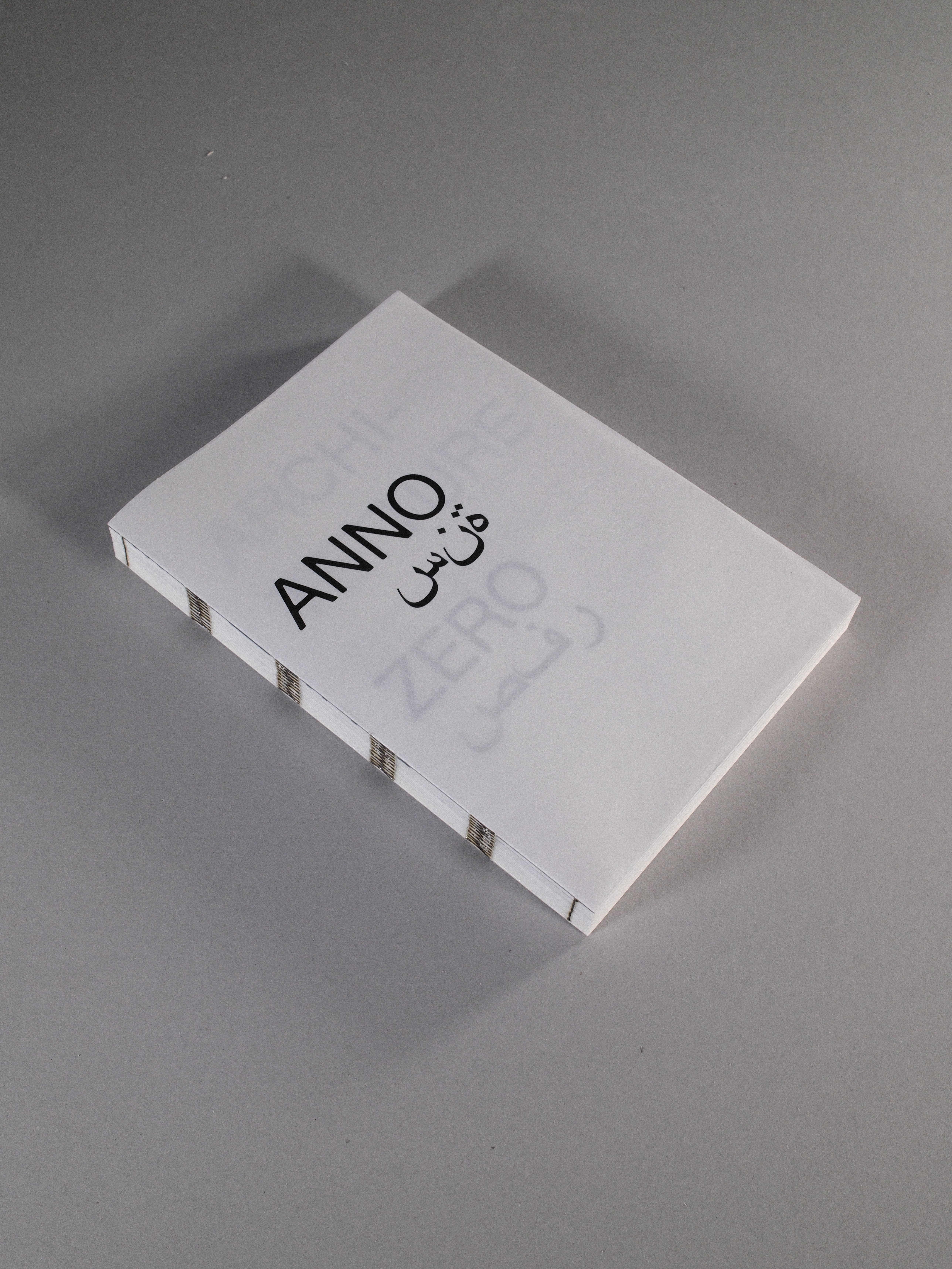
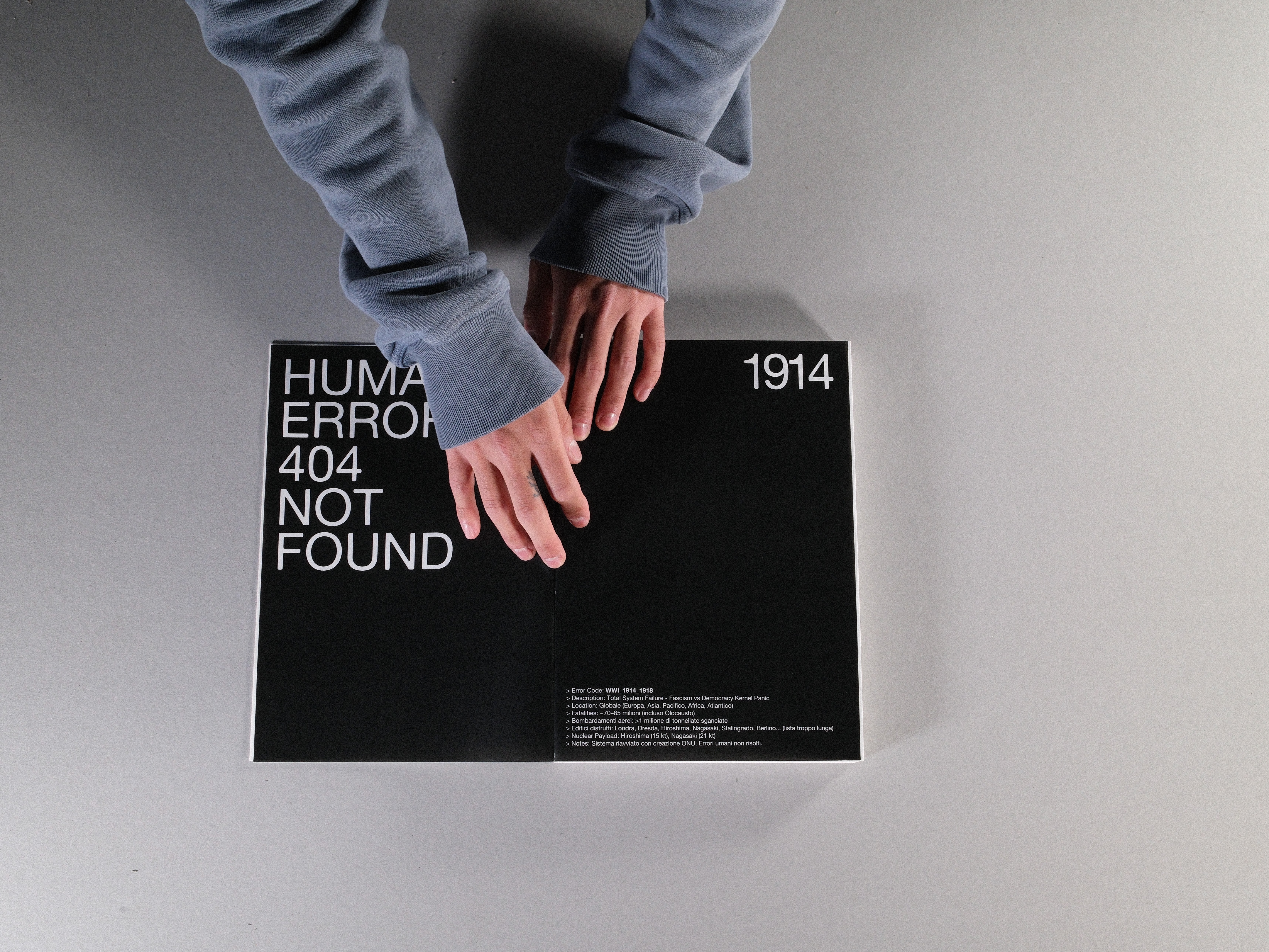
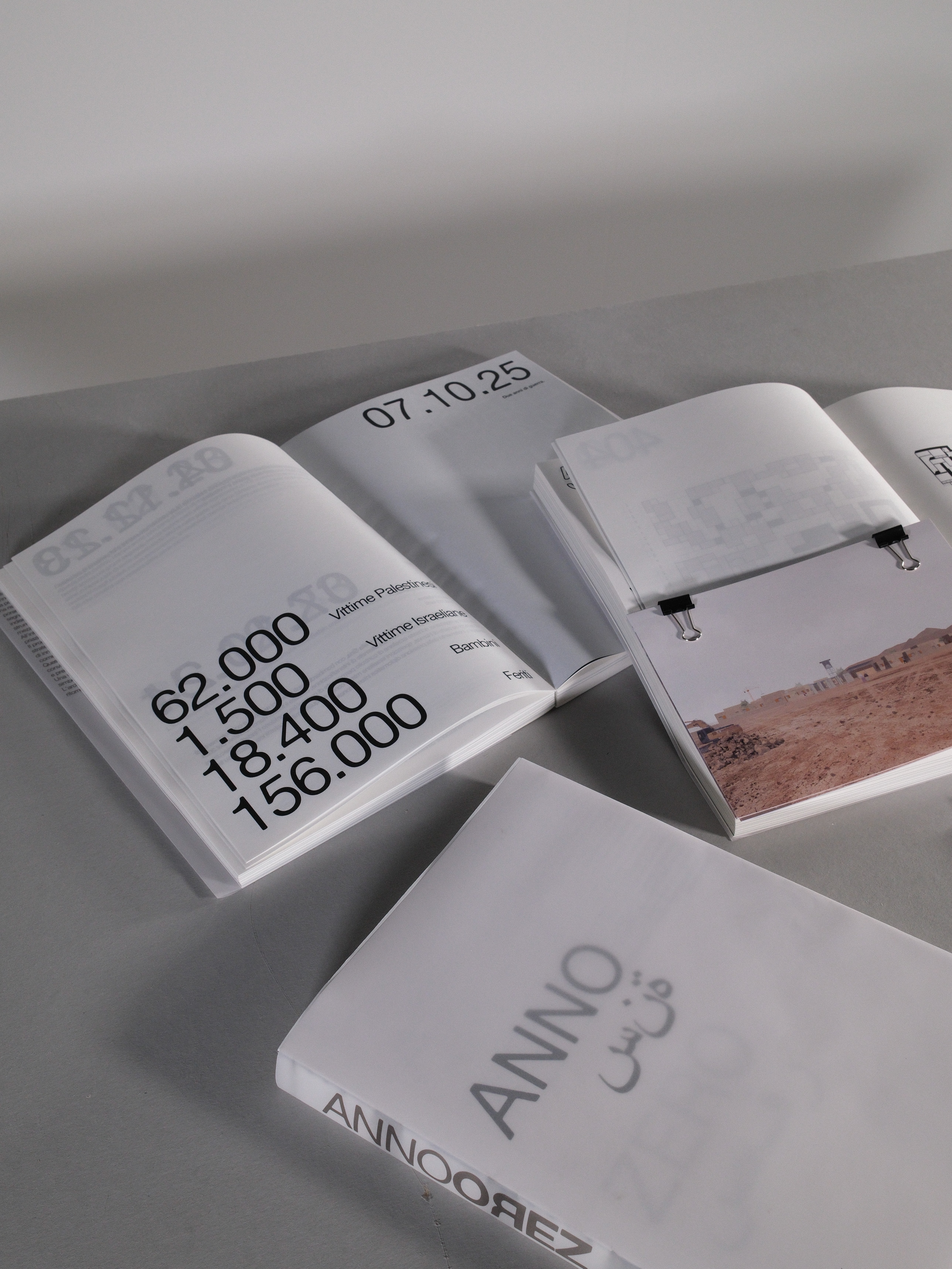
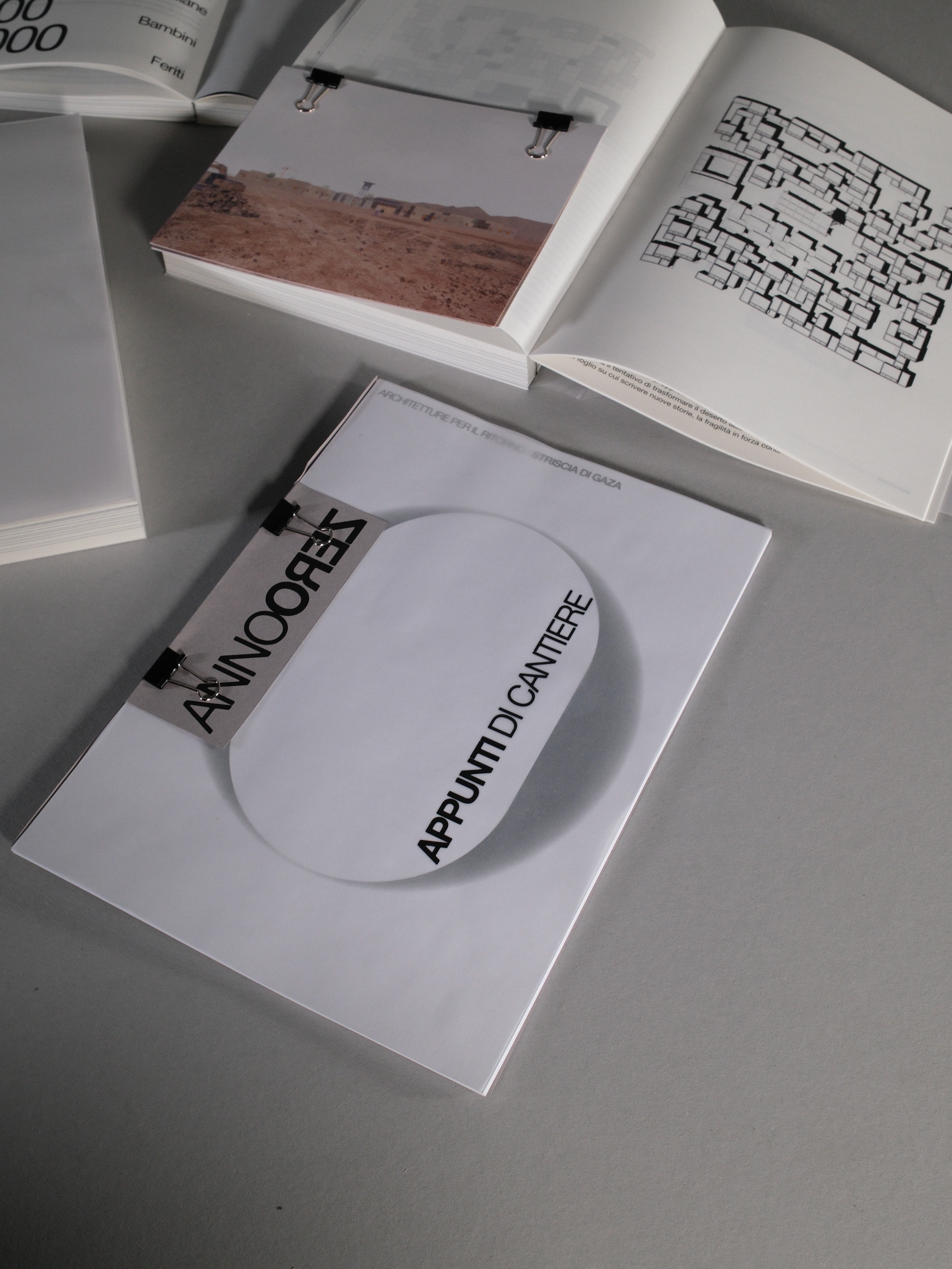
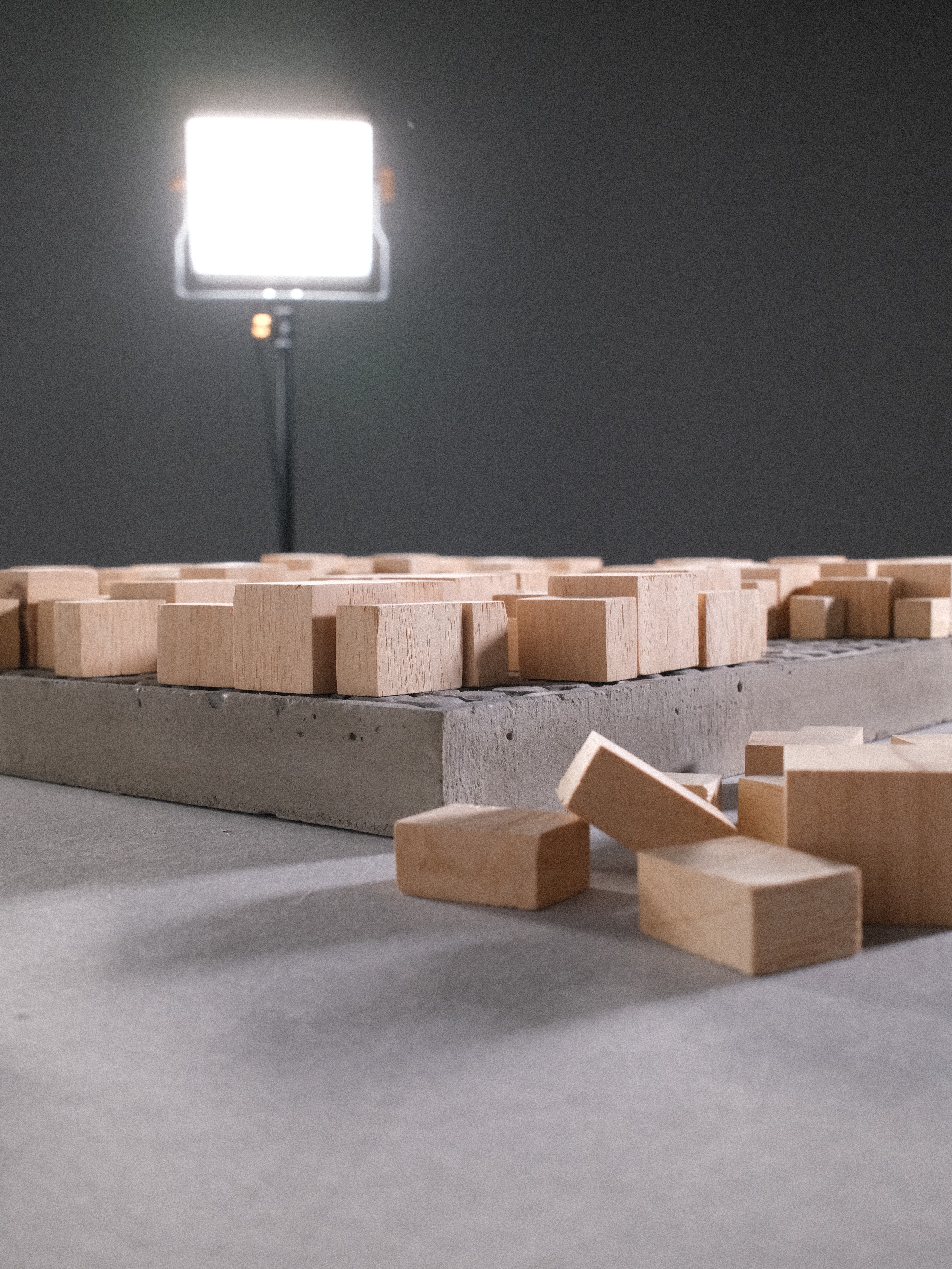
ANNO ZERO, Architectures for the Return. Gaza Strip.
[Master's Thesis]
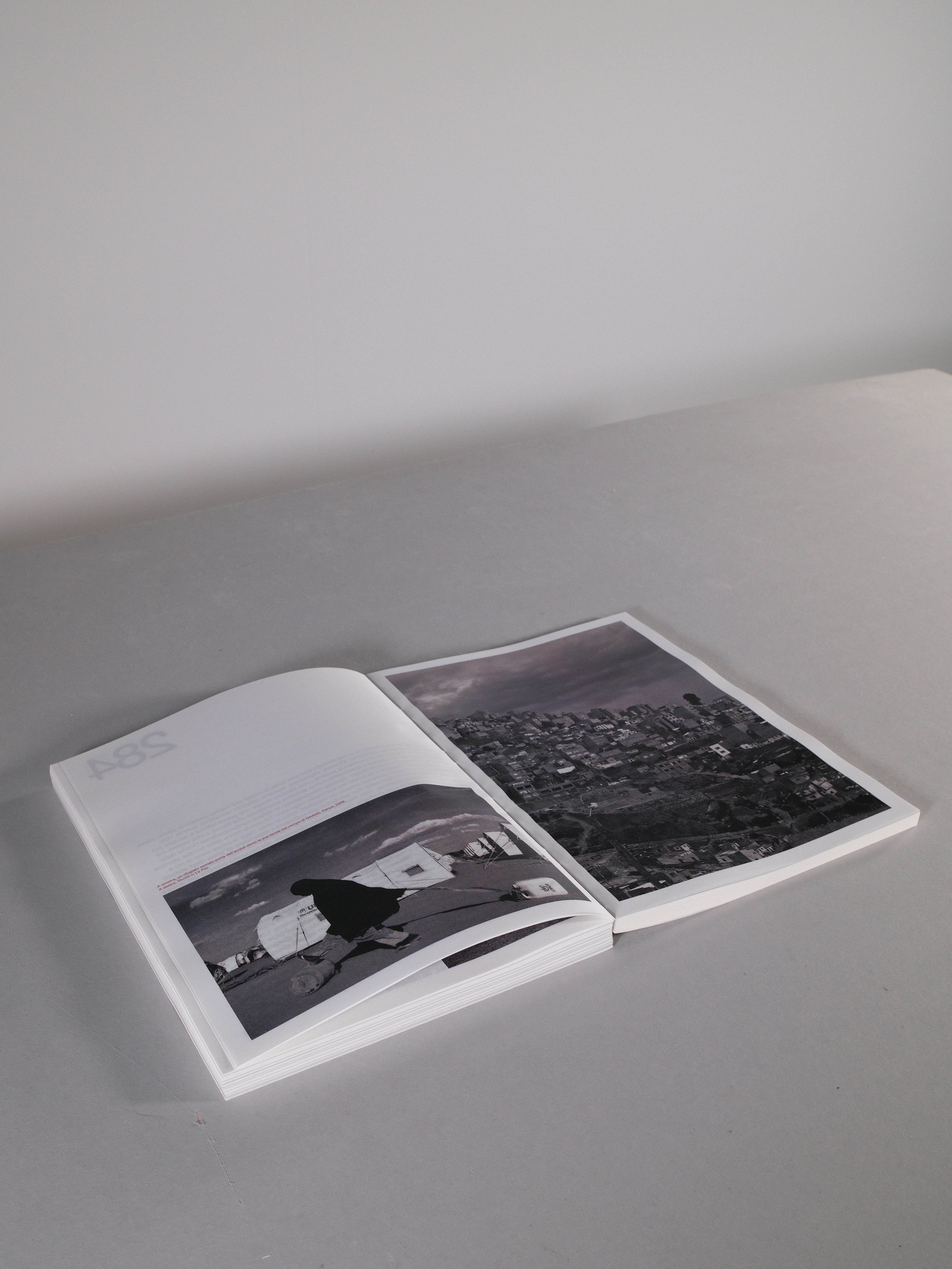
History, in every era, has been marked by disruptive events, wars, crises, natural disasters, which have generated a sense of precariousness and made the concept of home a fragile idea. The possibility of losing one’s home has become a widespread and recurring fear, to which architecture has responded by increasingly experimenting with temporary housing forms linked to the contemporary concept of shelter.
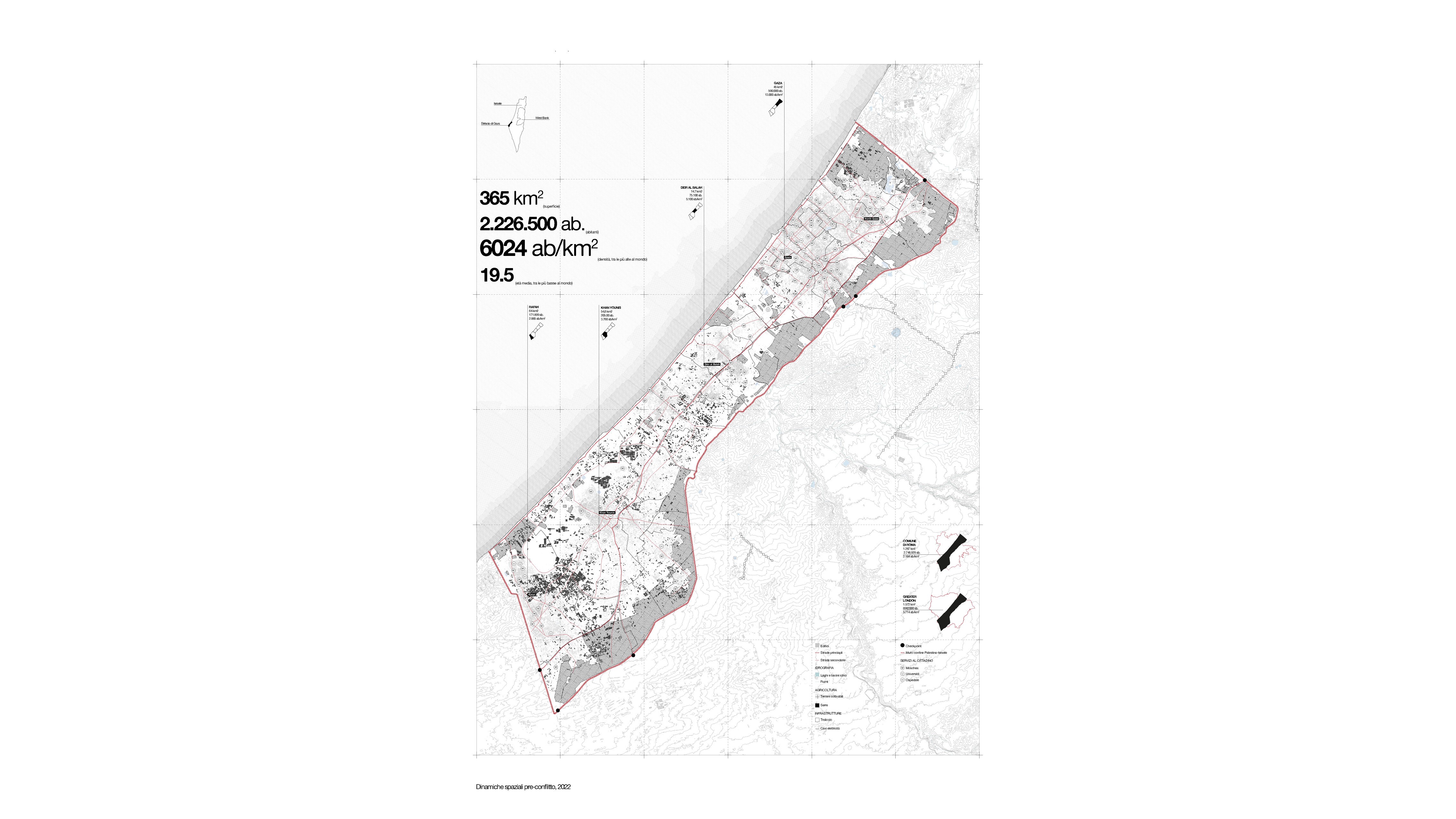
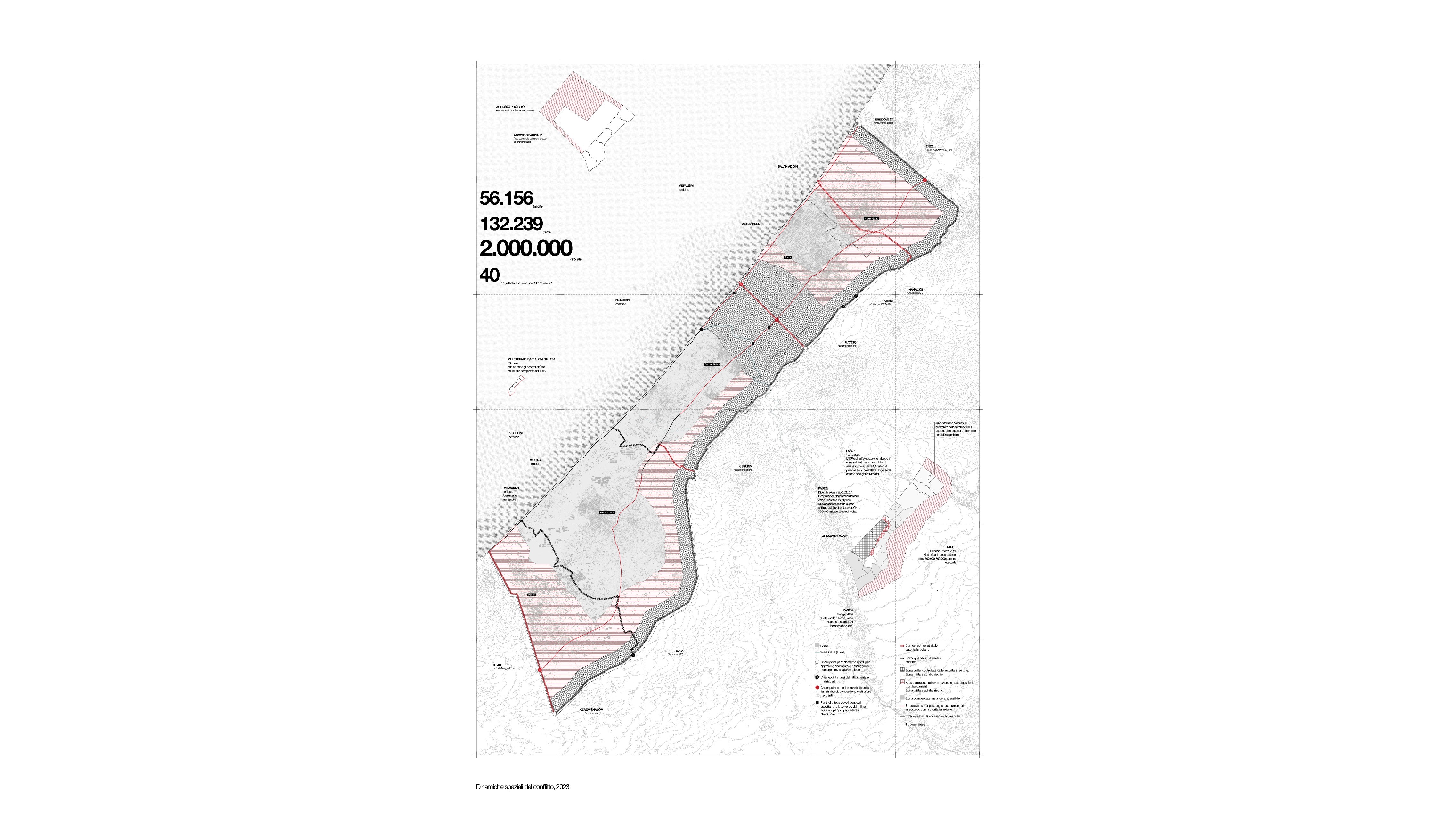
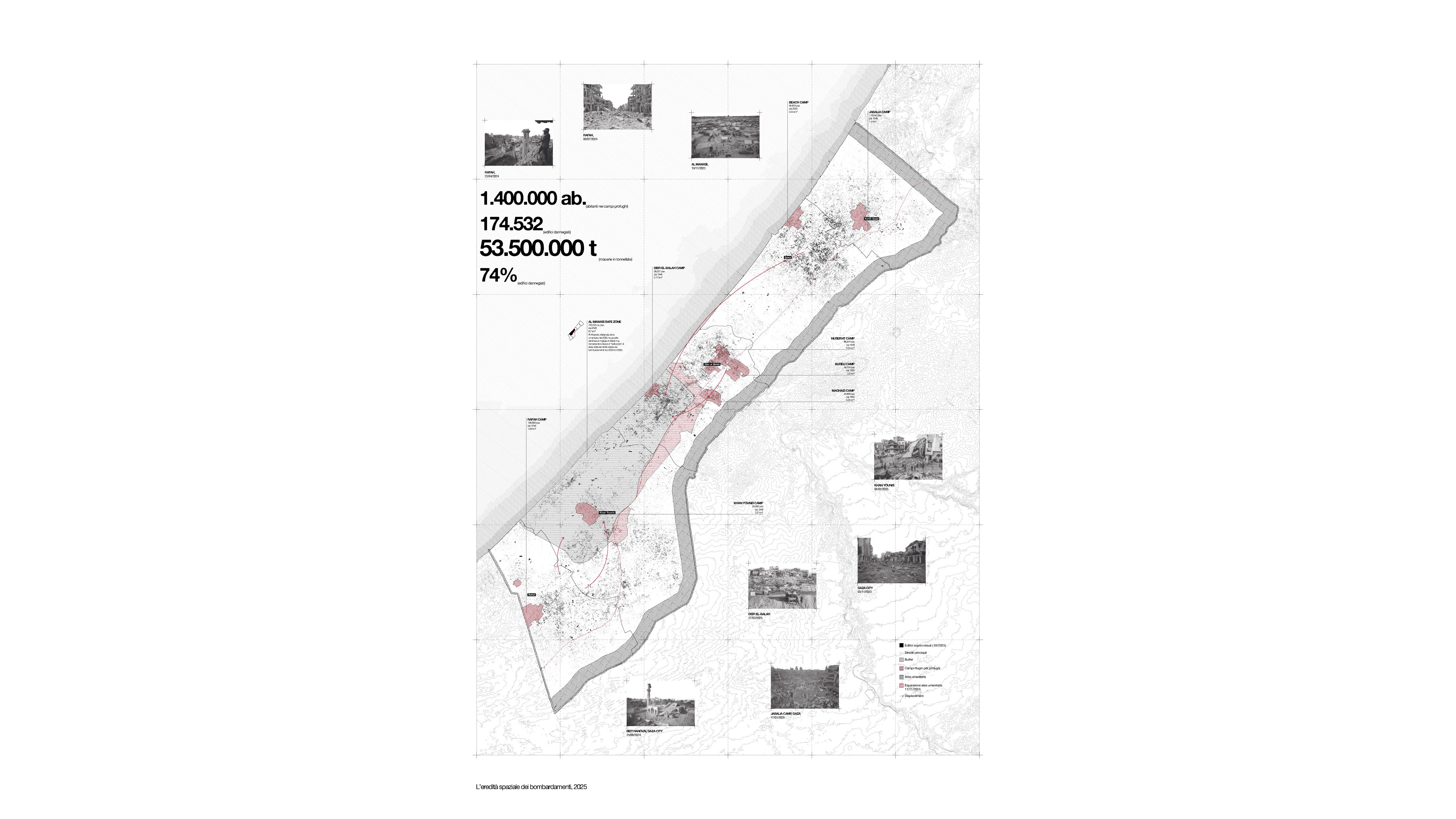
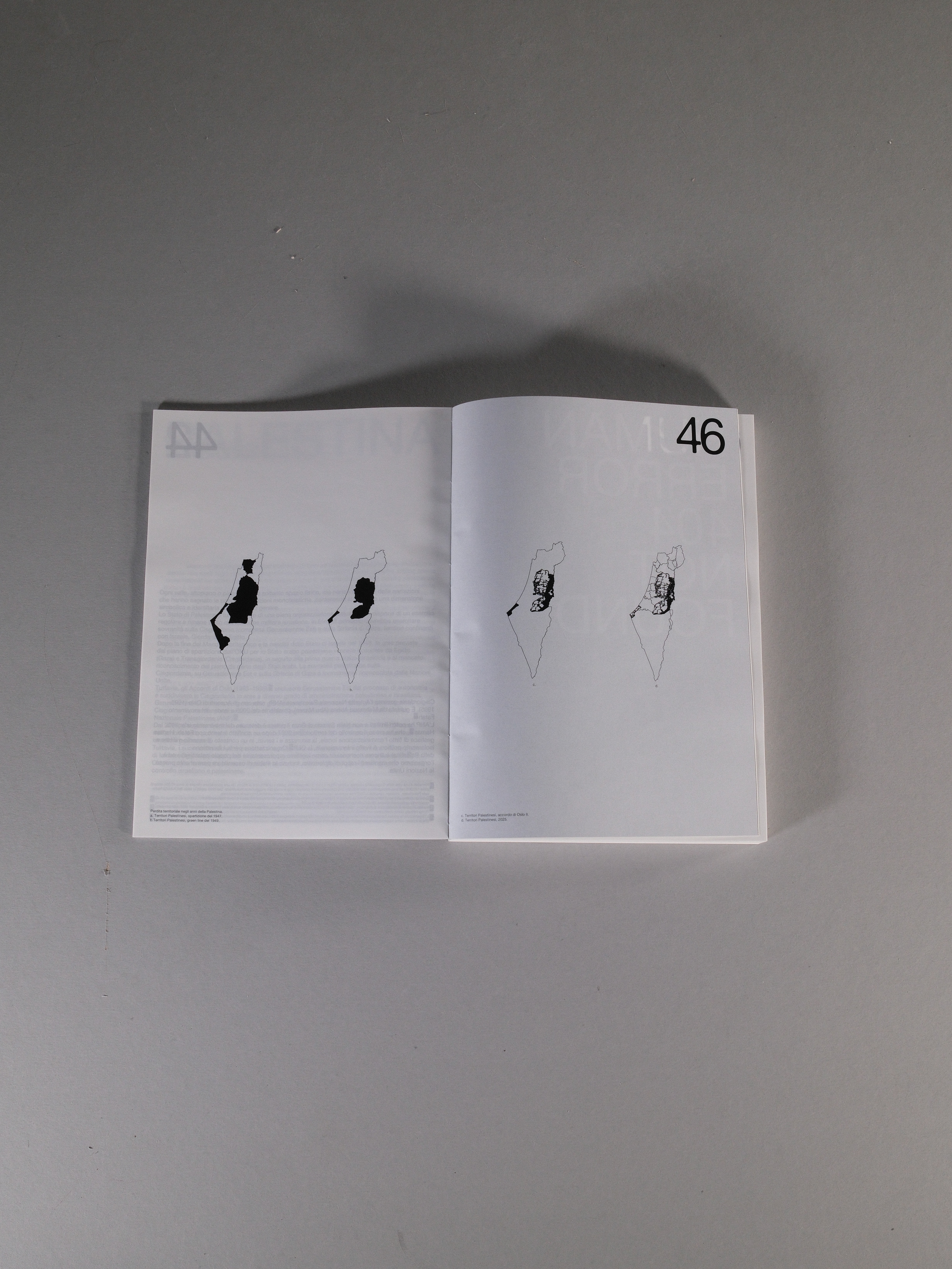
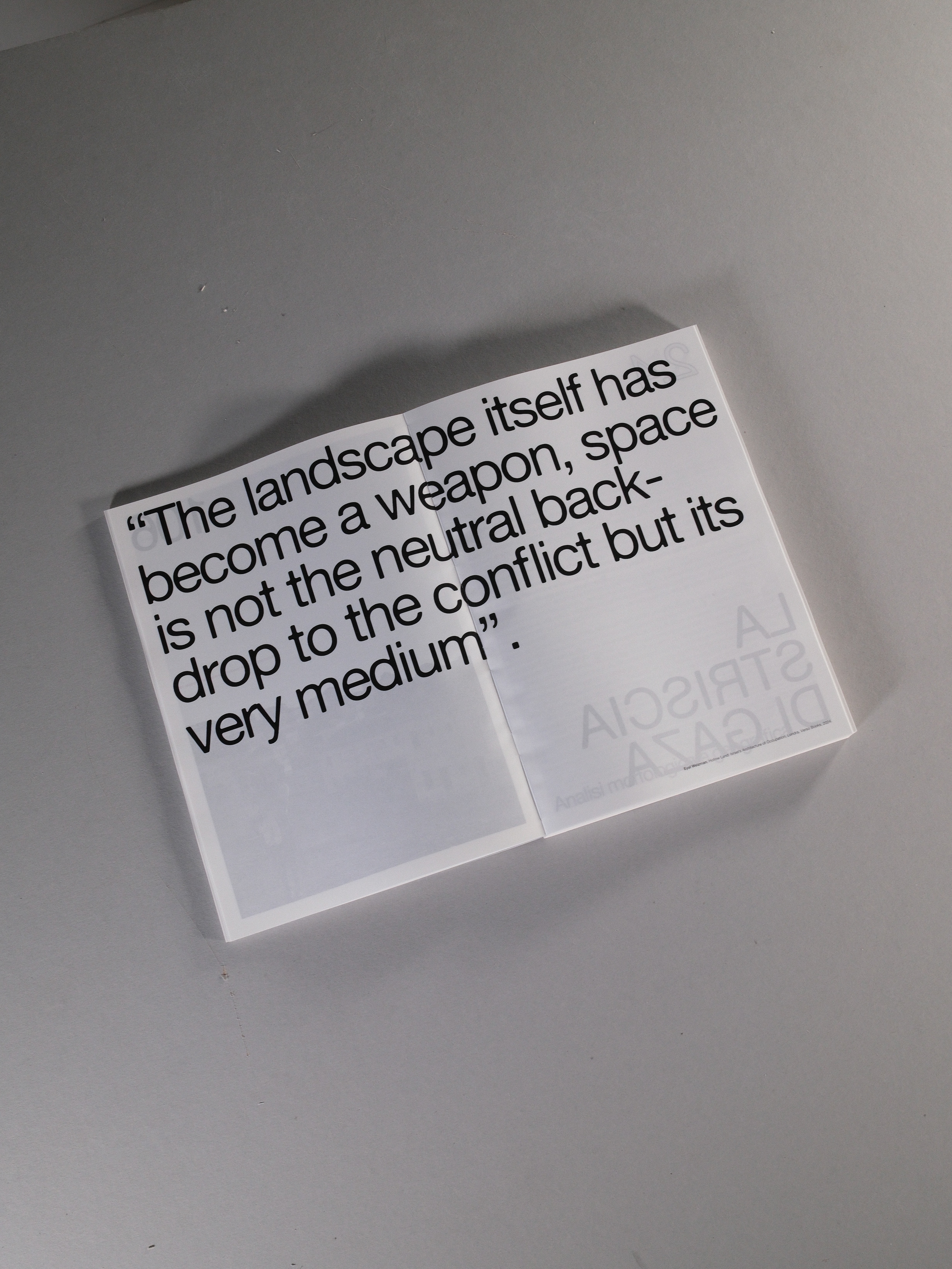
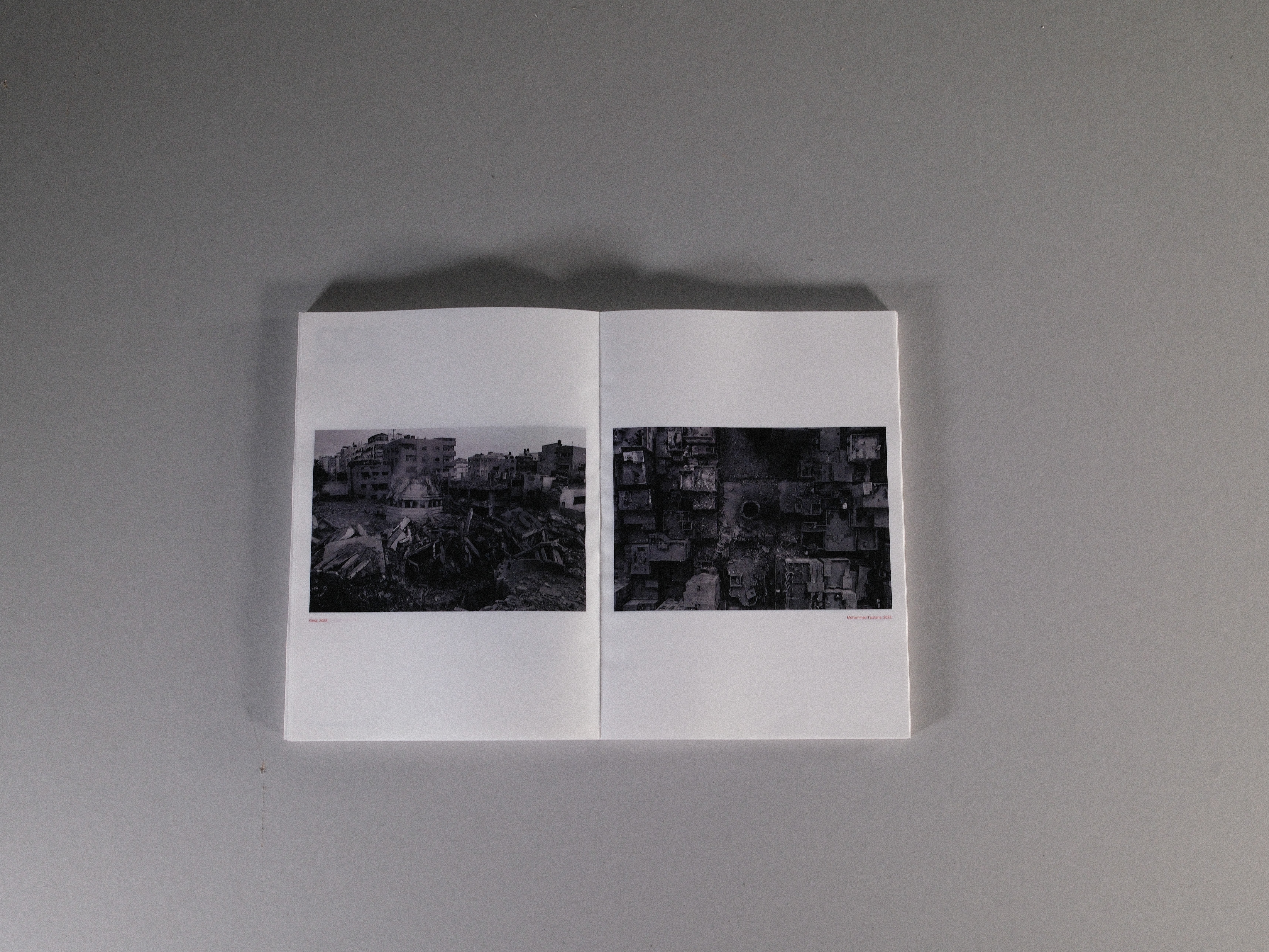
The Gaza Strip today represents one of the most fragile places in the world, marked by decades of conflict where dynamics of control and resistance are indissolubly intertwined with the built space. Here, architecture is not a neutral discipline: it becomes a tool of segregation through barriers and fragmentation, but at the same time it transforms into a means of resilience and identity rebirth.
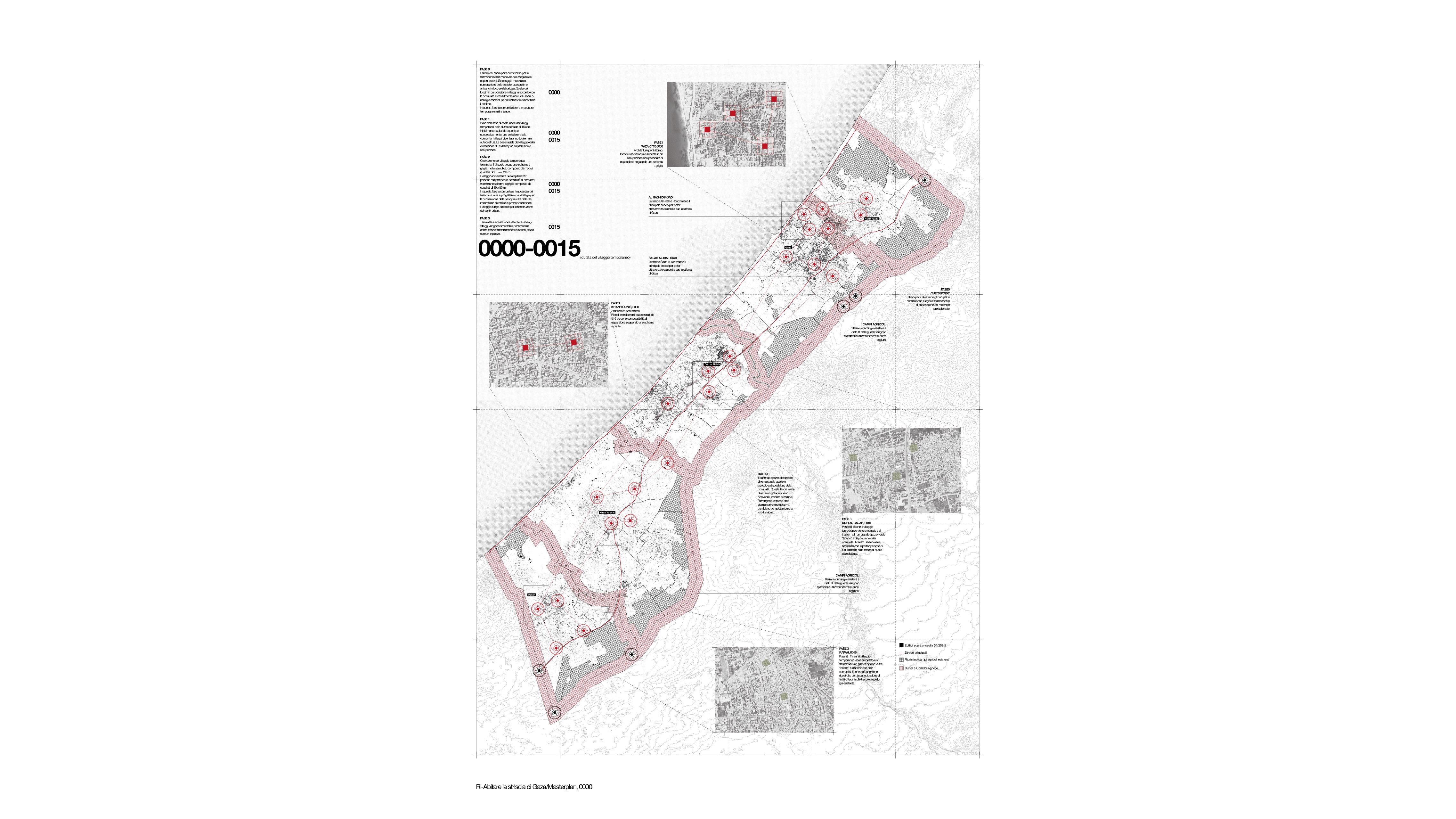
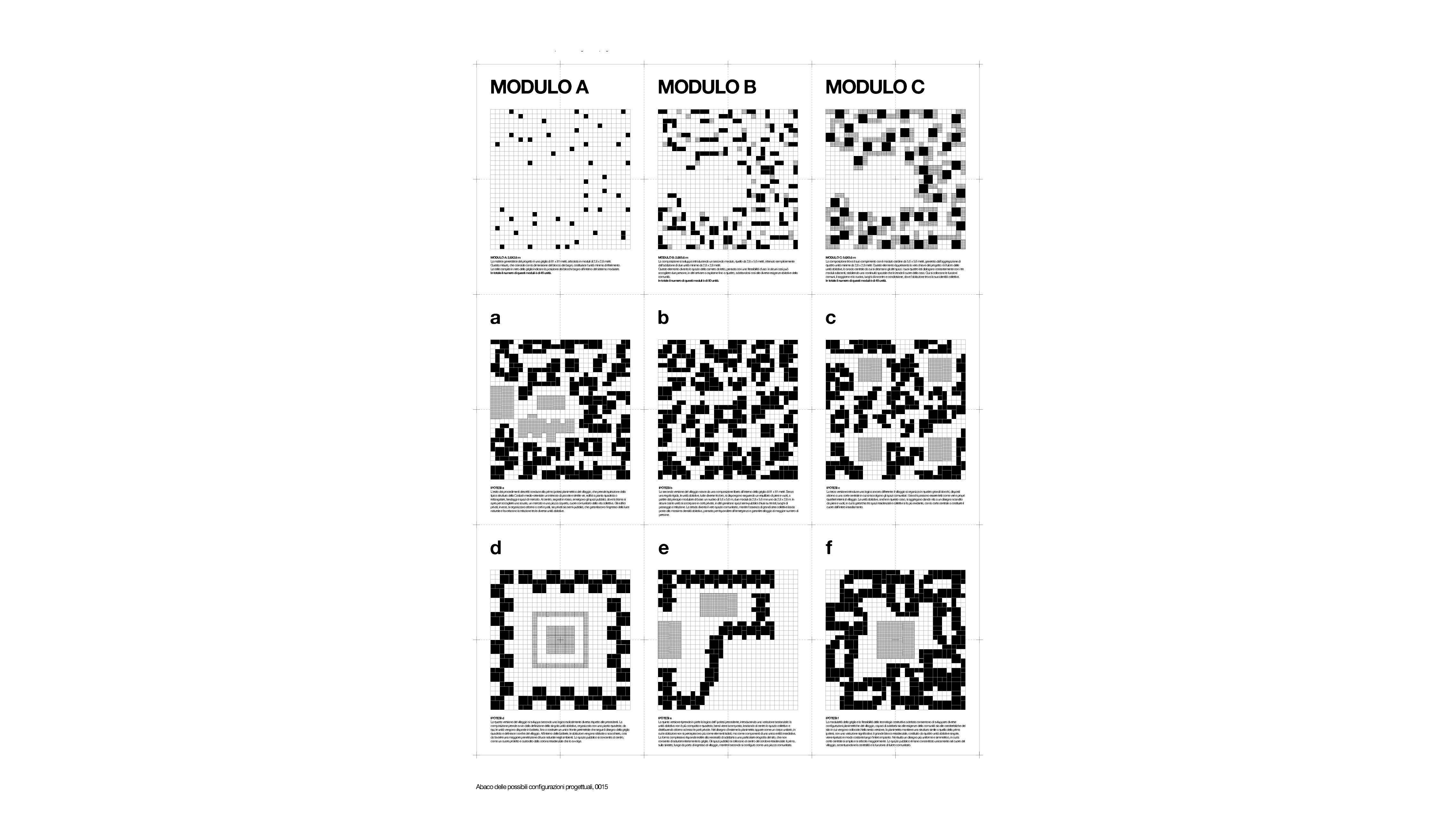
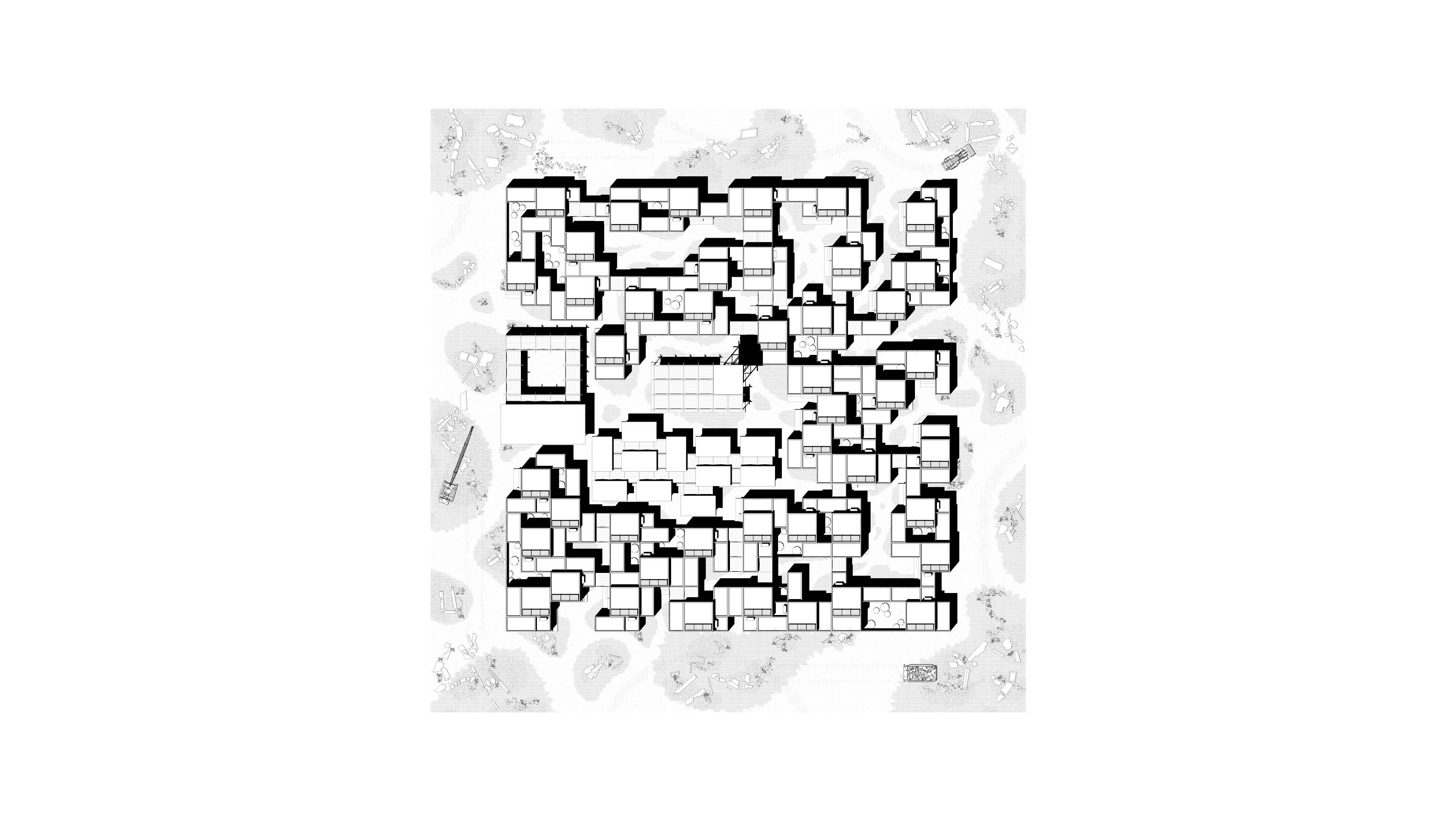
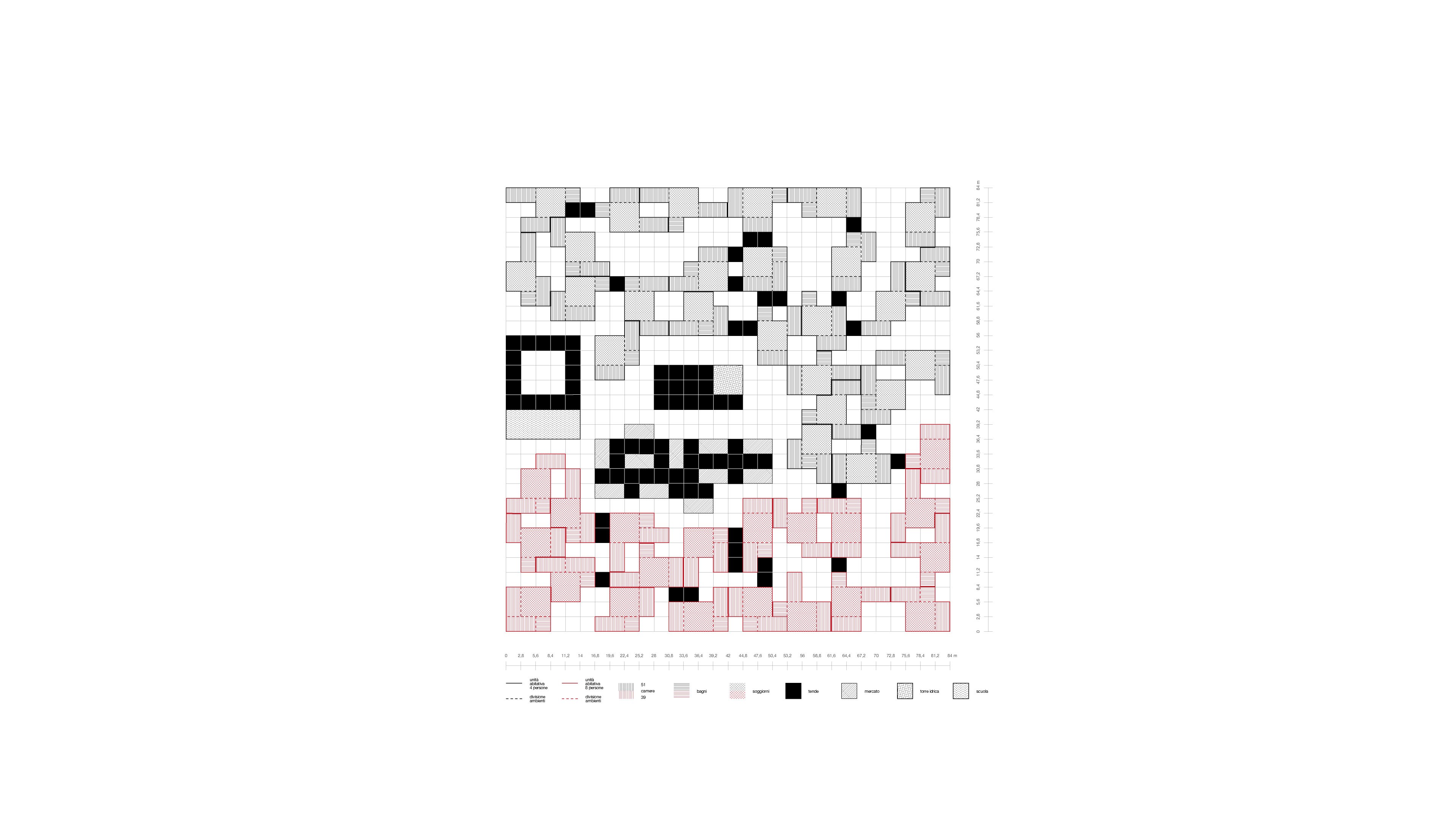
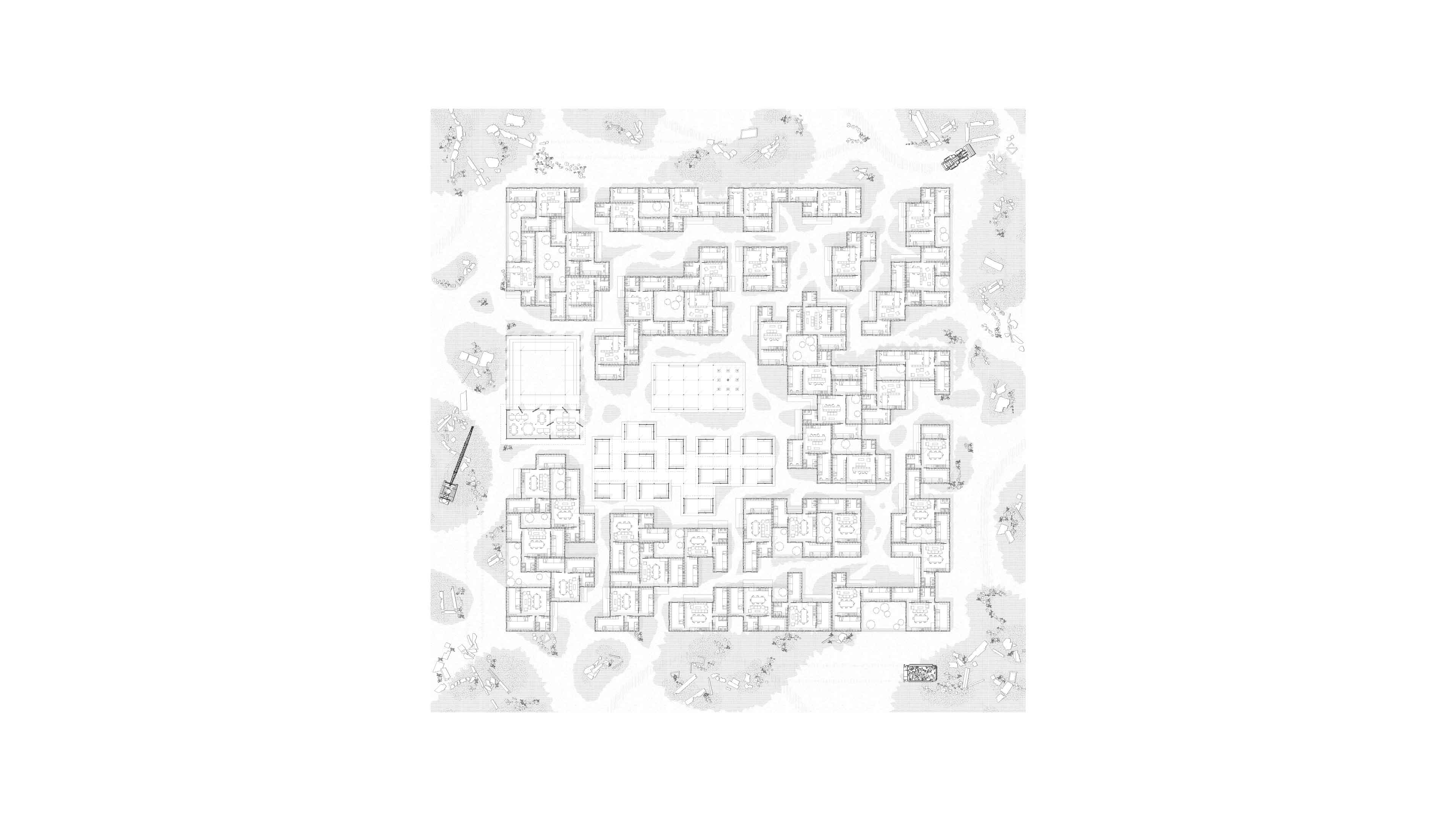
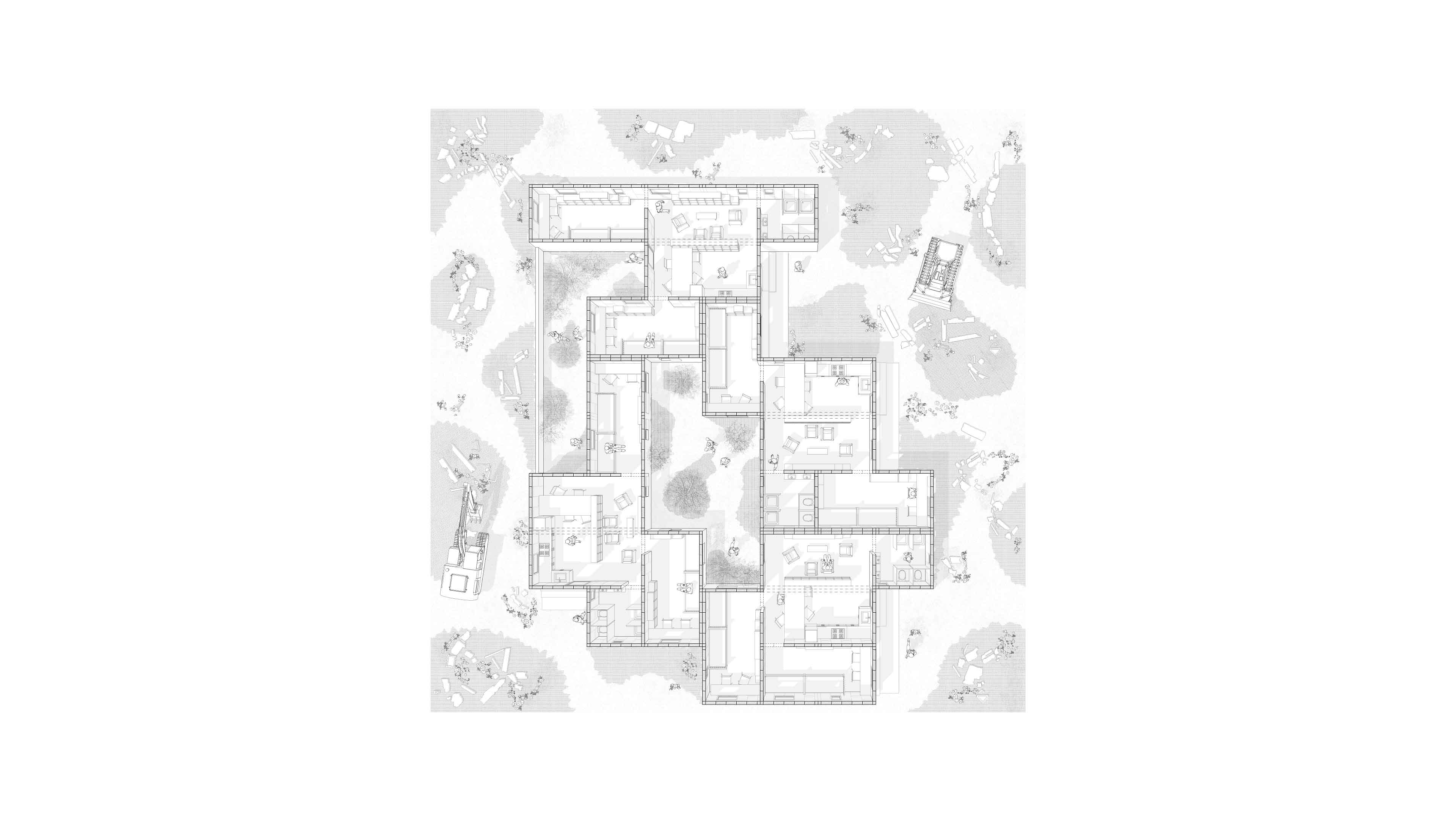
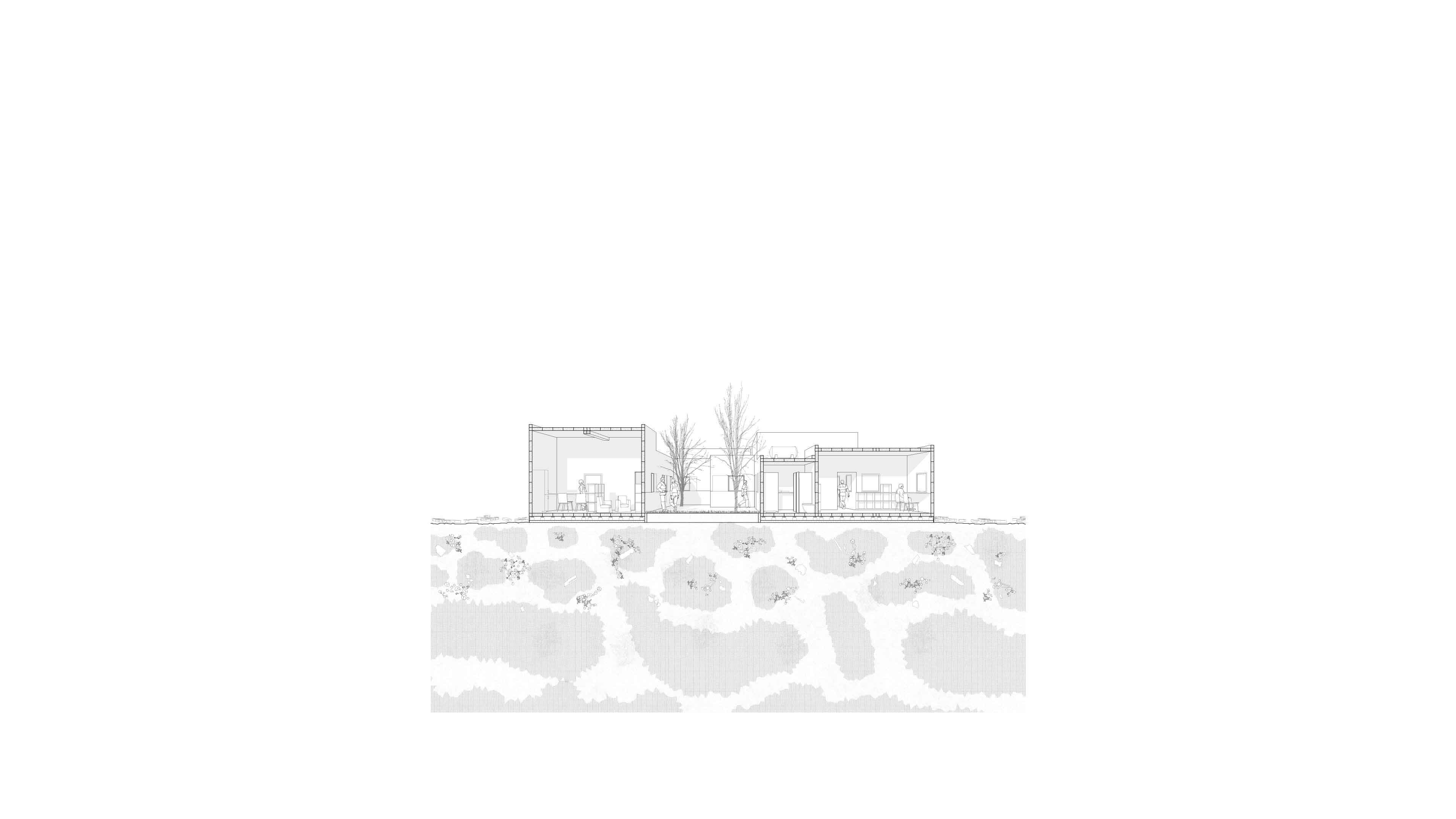
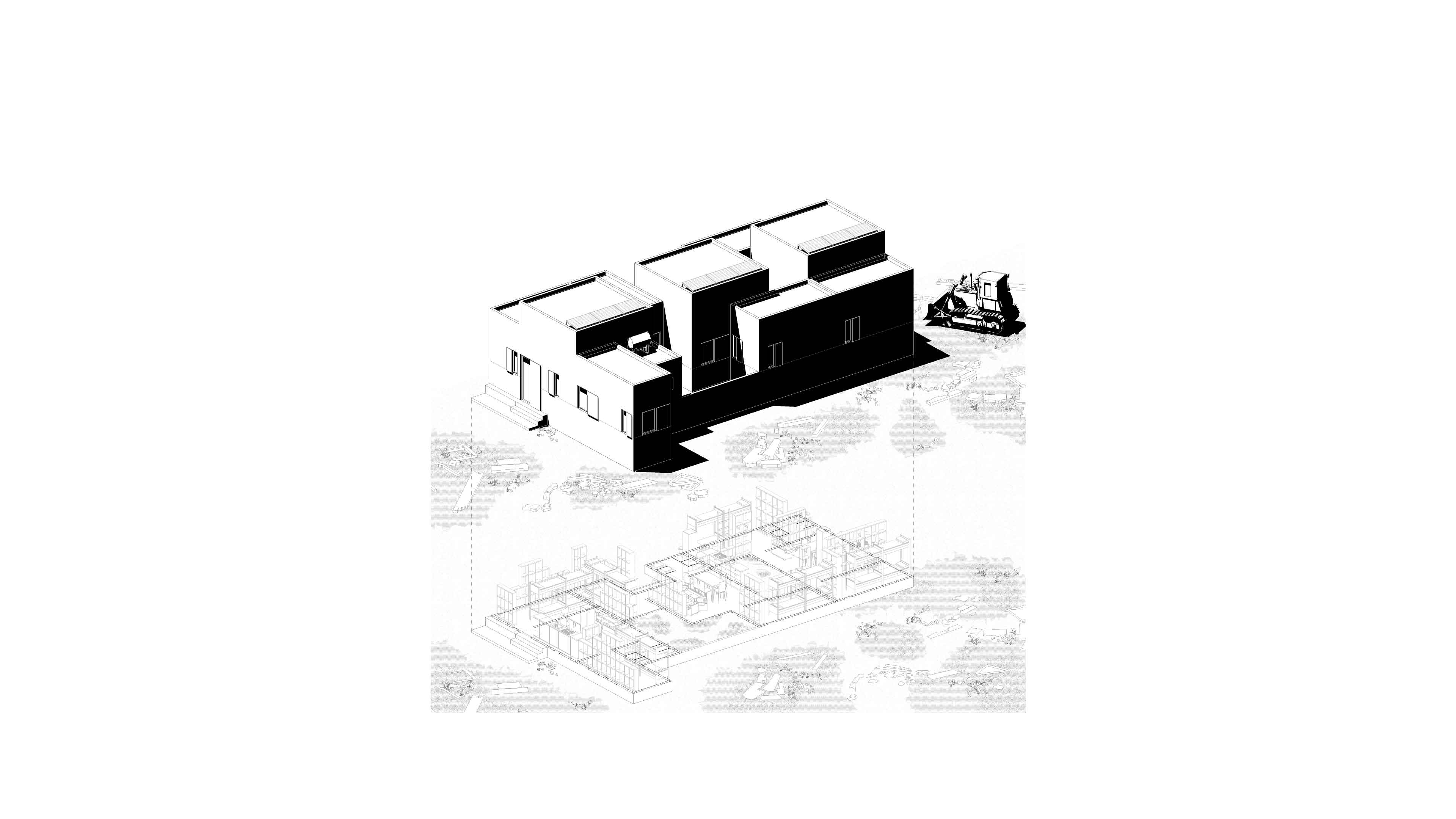
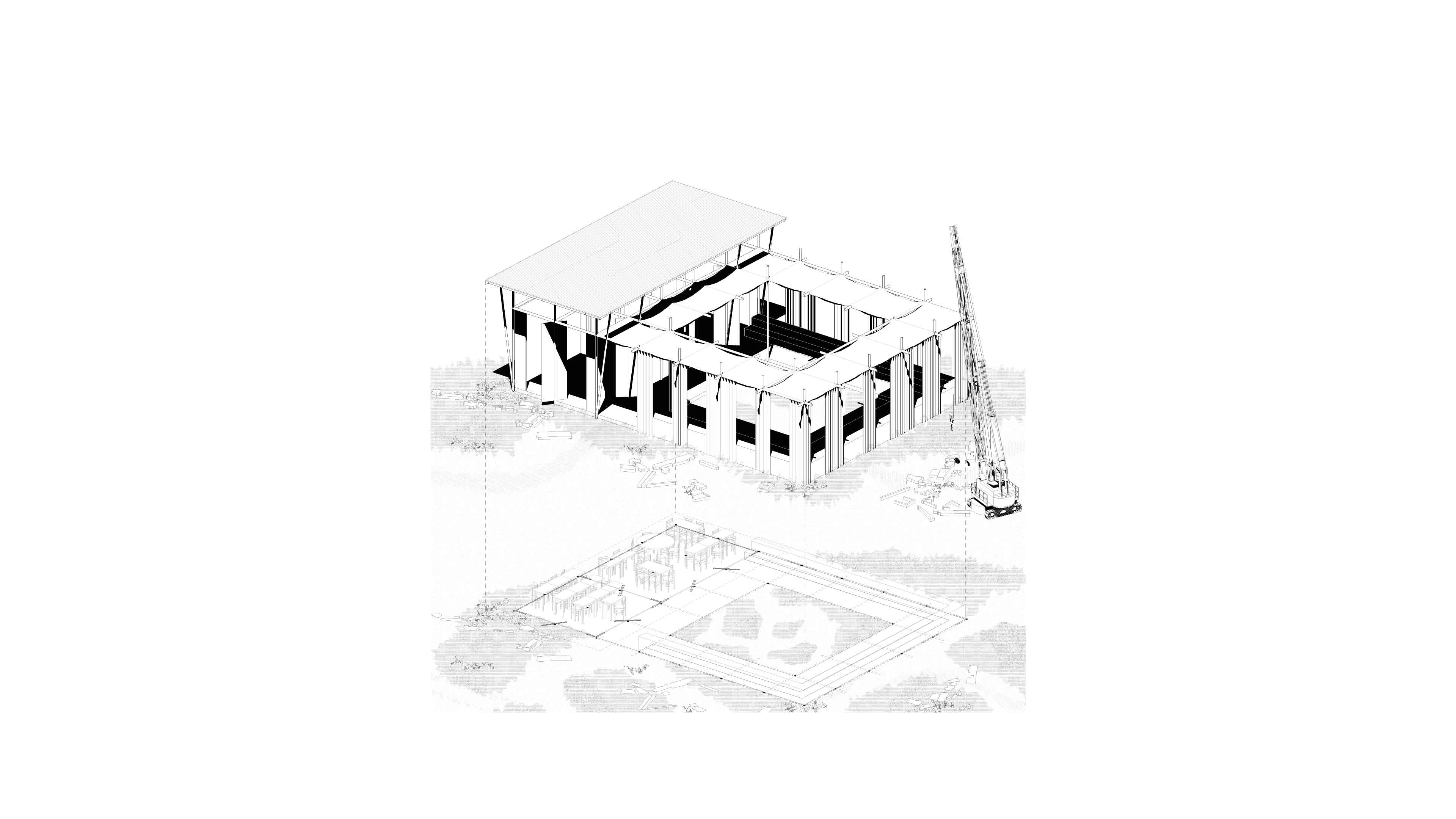
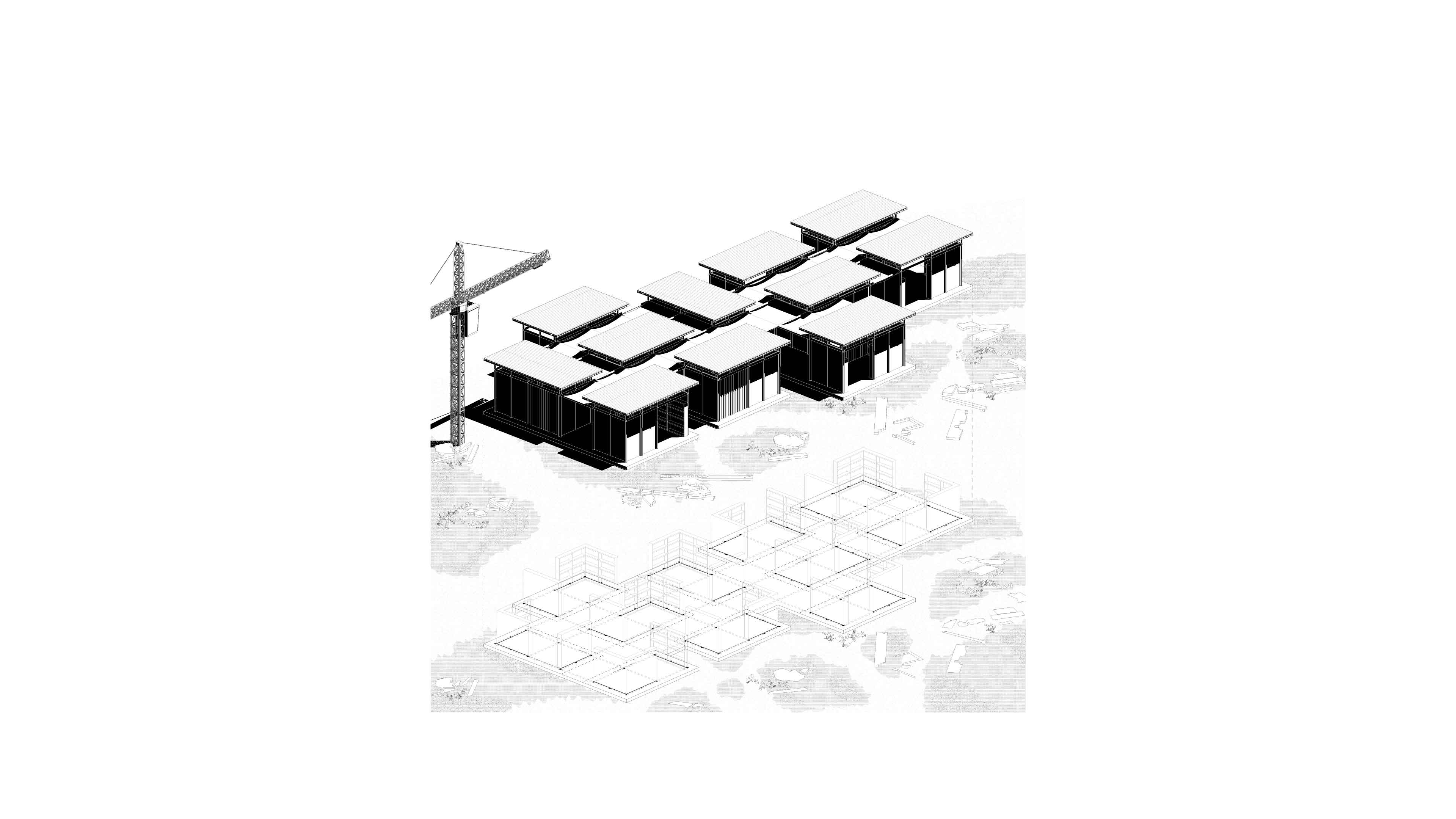
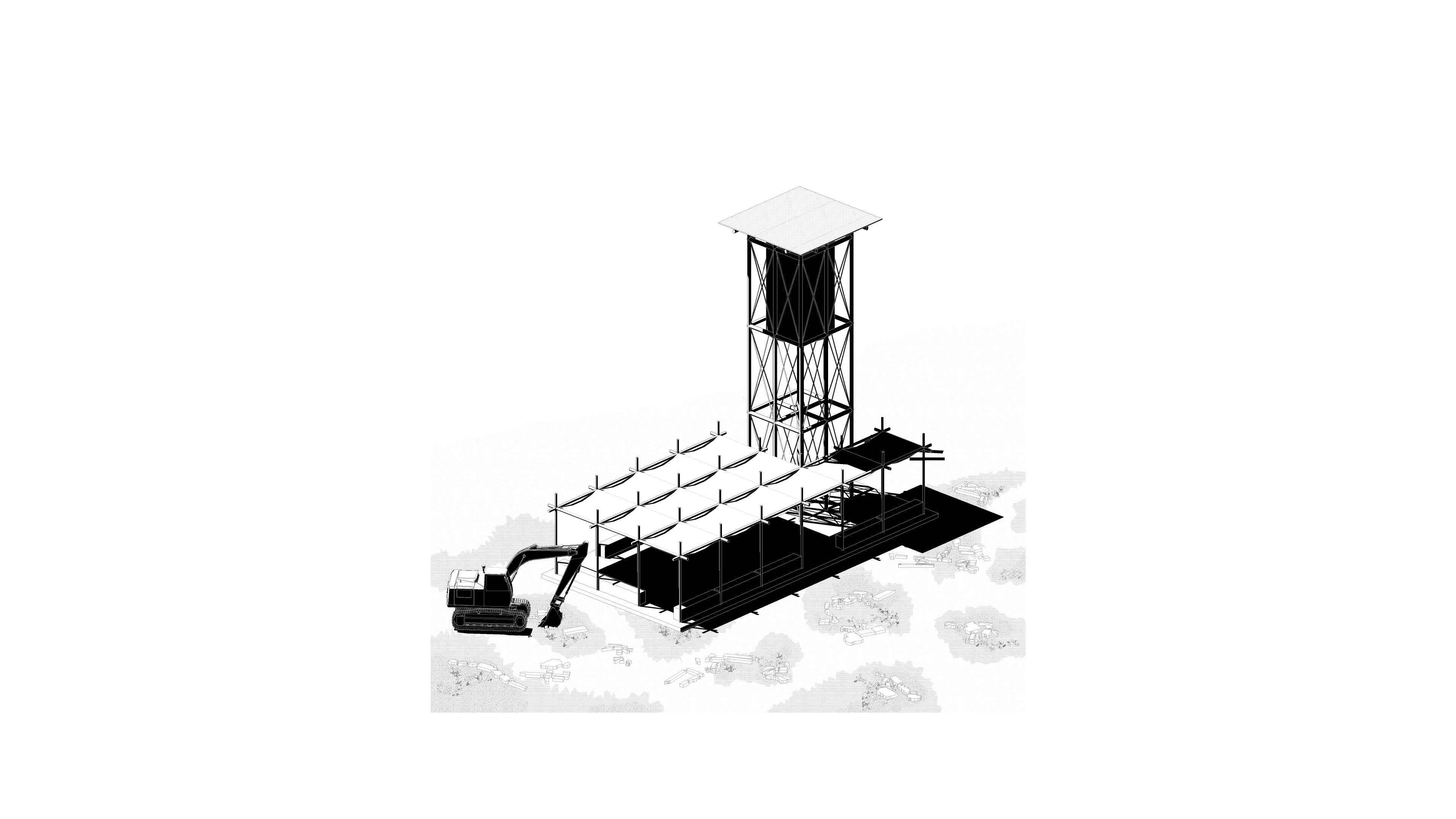
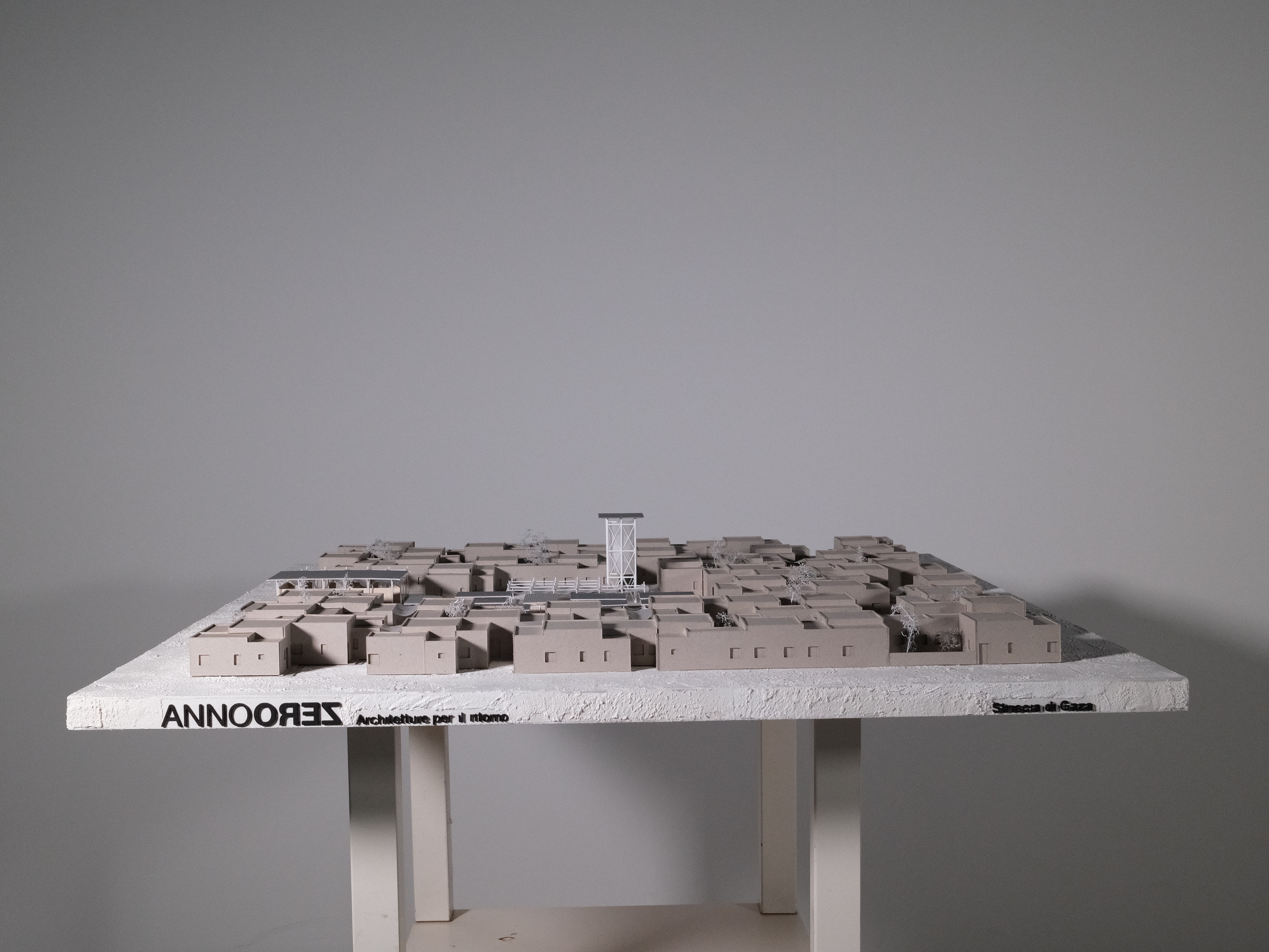
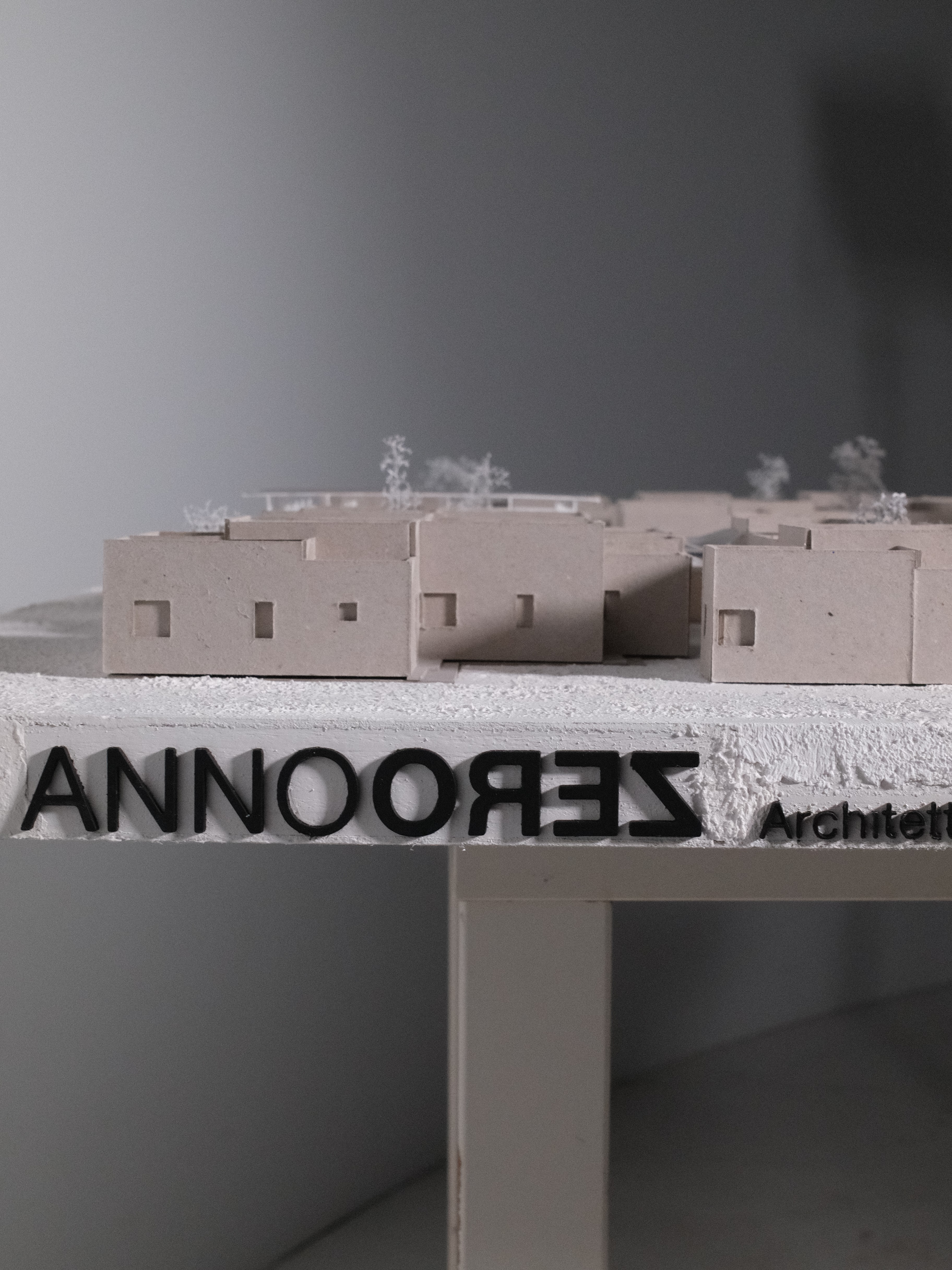
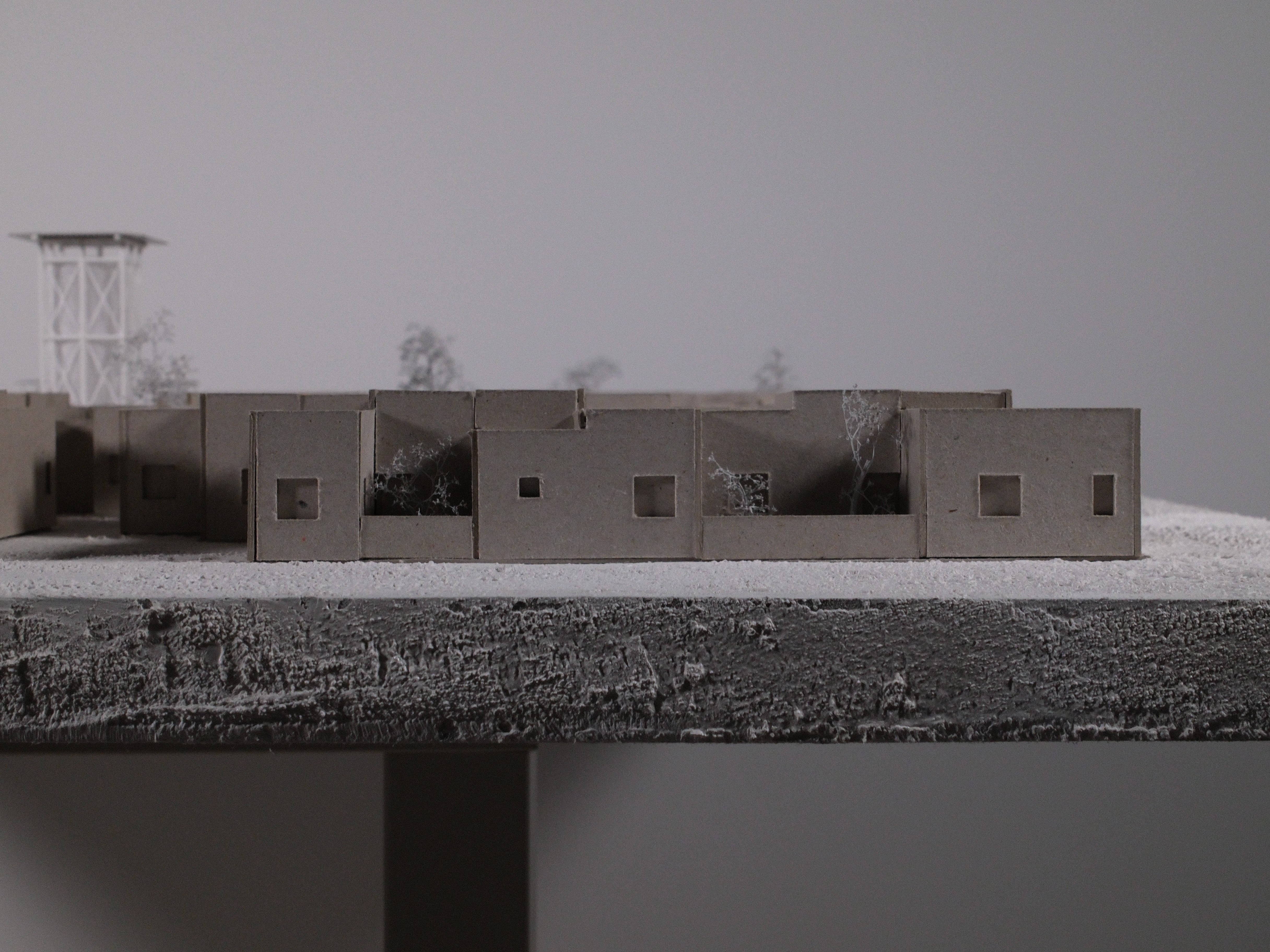
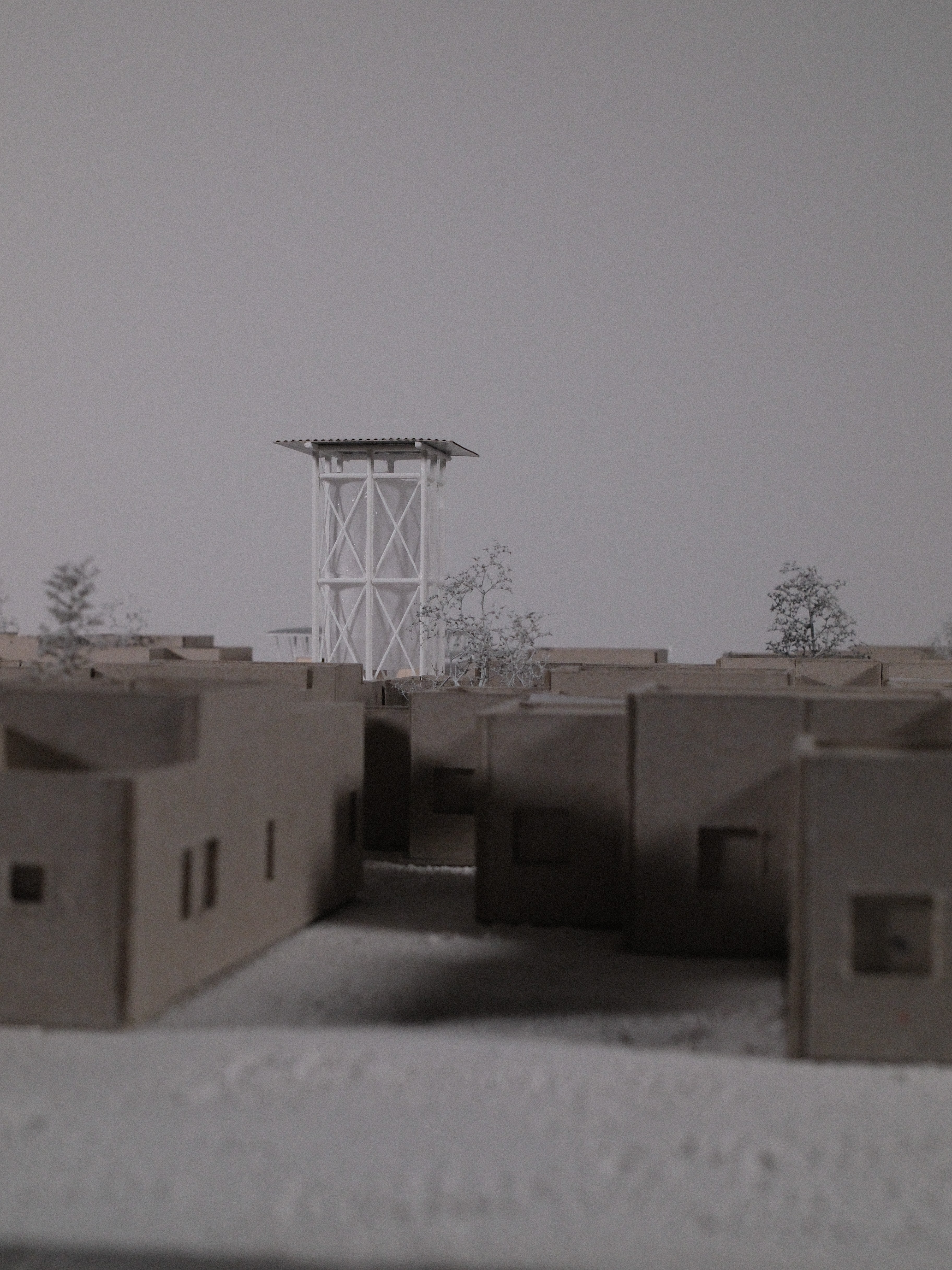
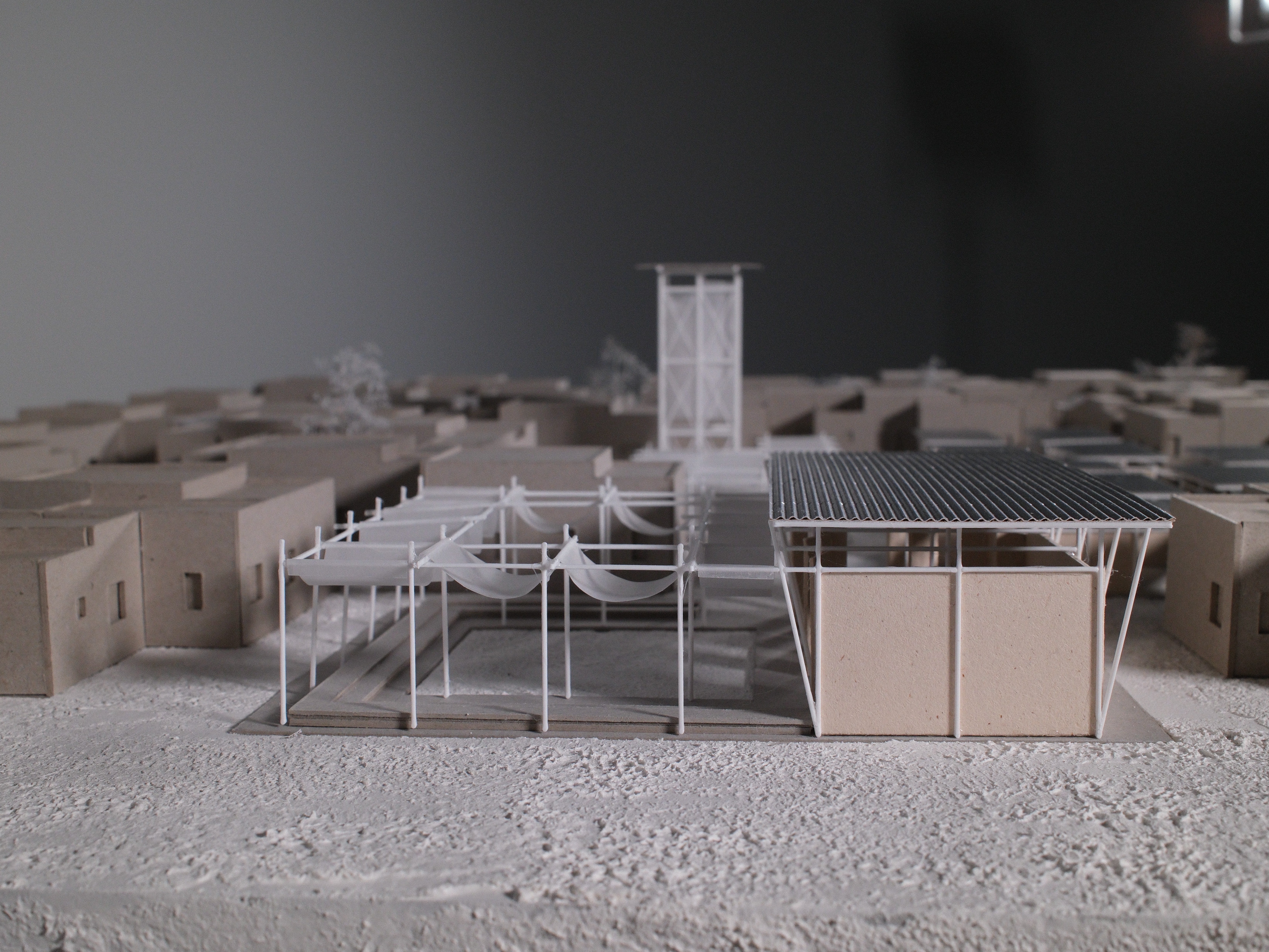
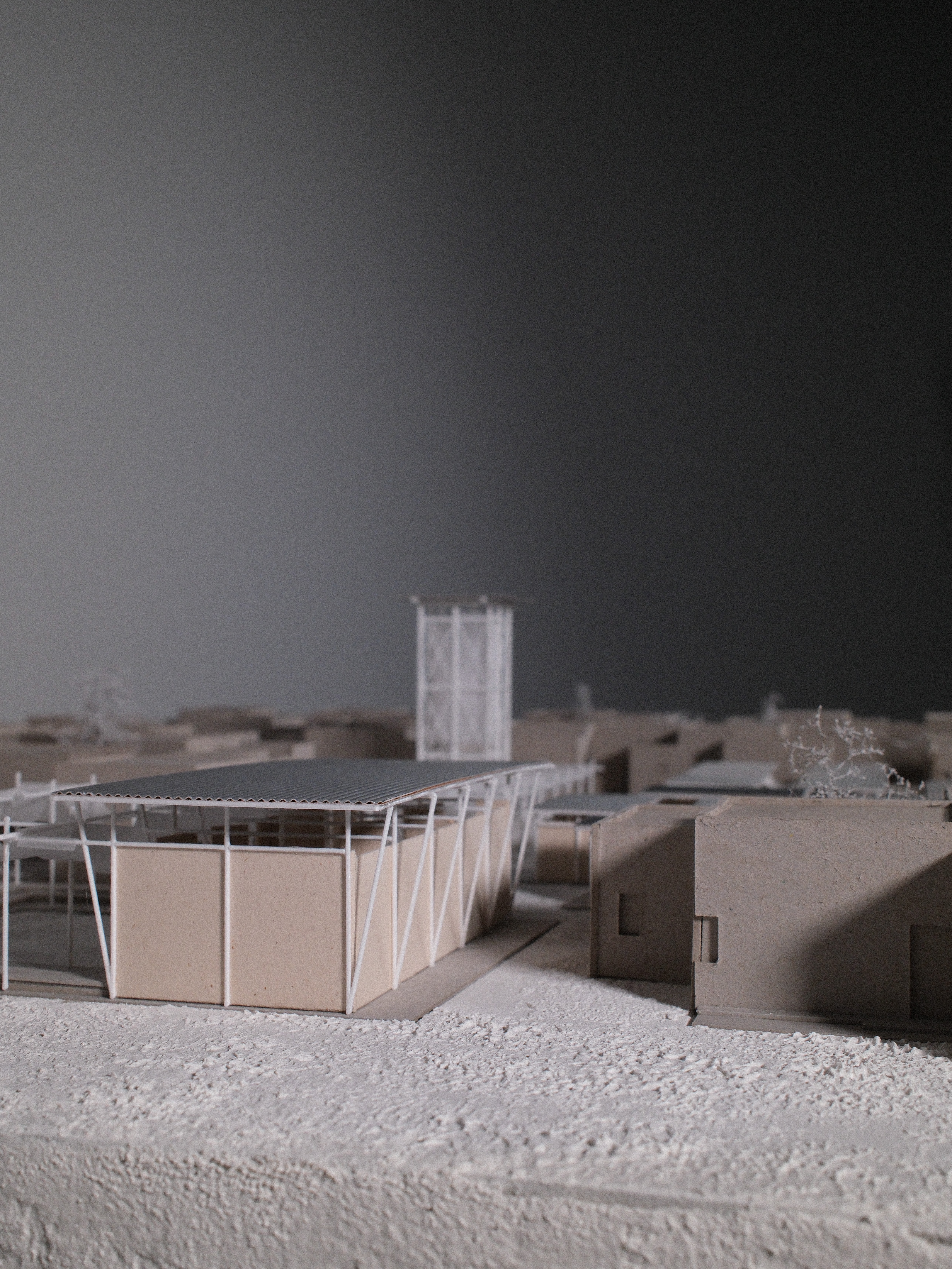
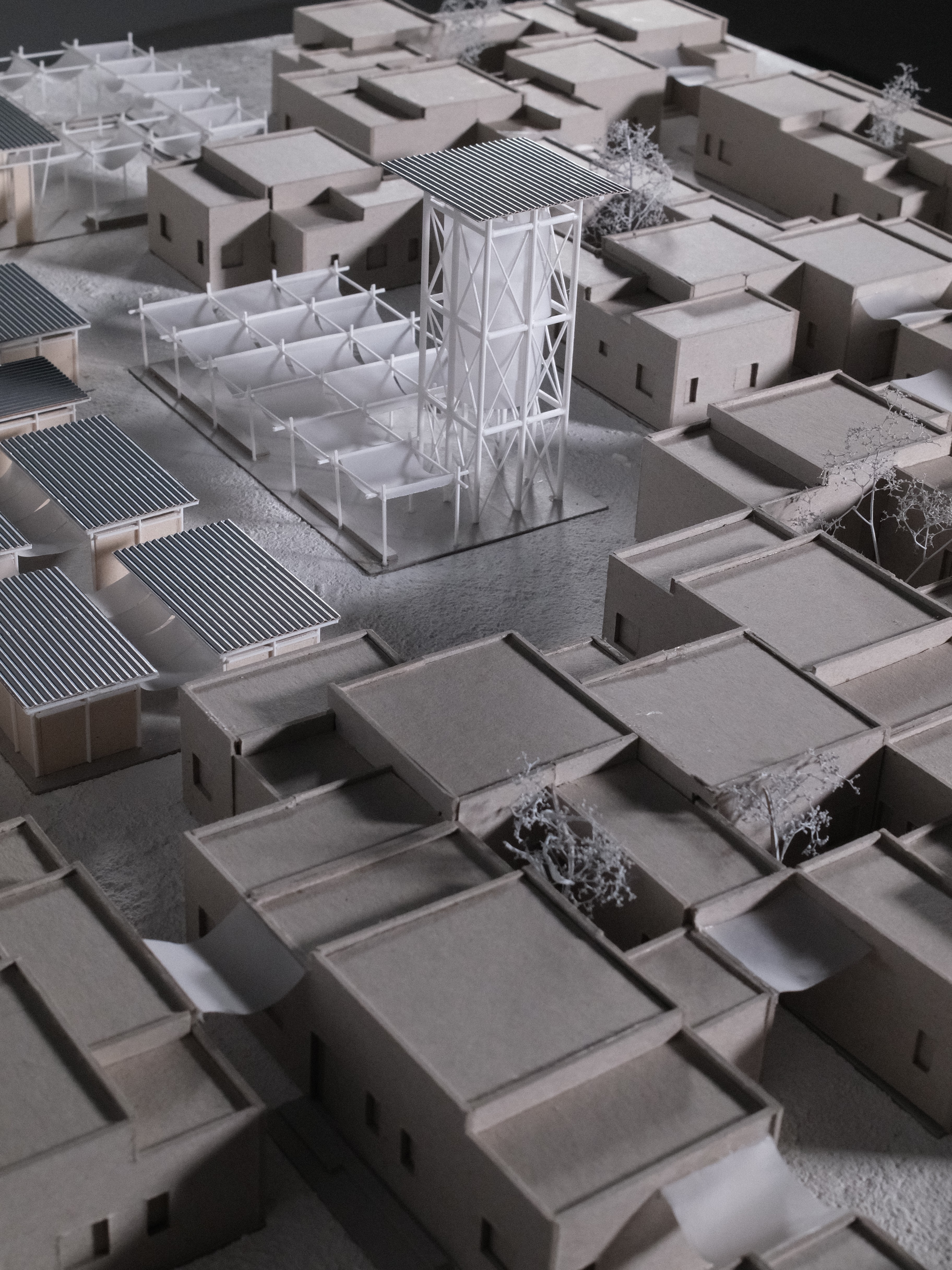
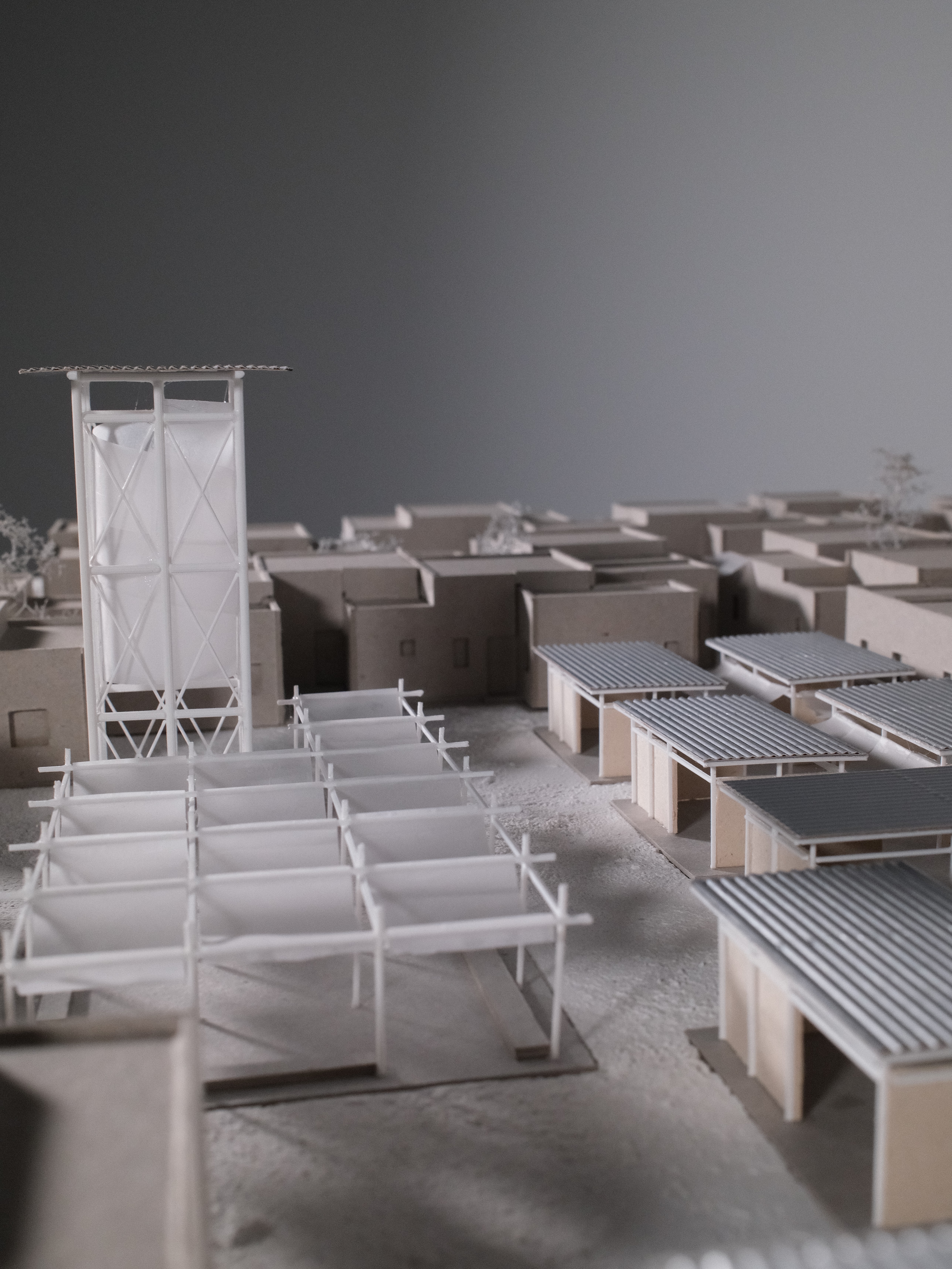
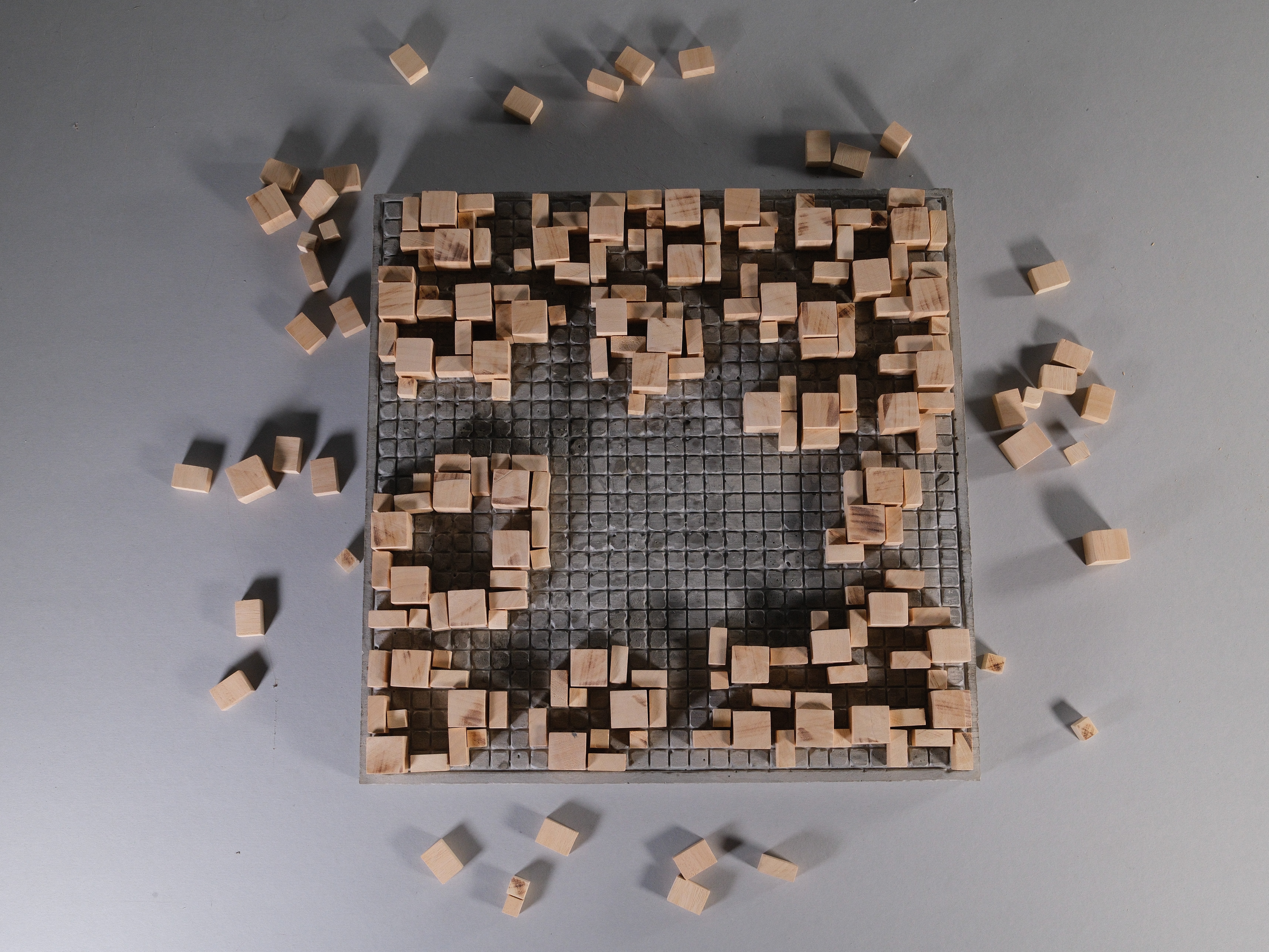
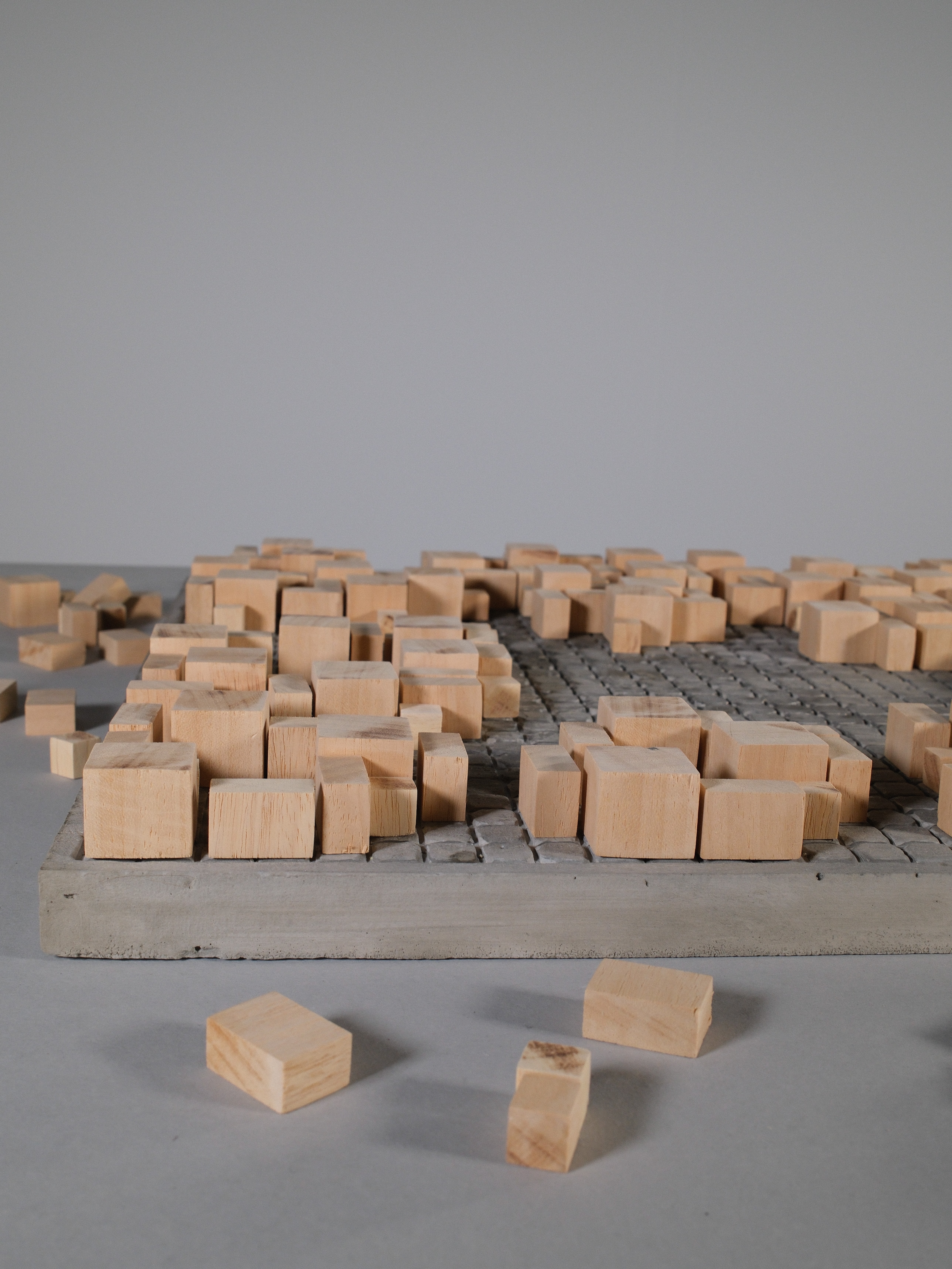
Within this framework, the thesis explores the role of architecture as a social tool for the reappropriation of a territory and for “return.” The ANNOZERO project proposes a method of intervention for the Gaza Strip that unites strategic vision and local scale. On one hand, it outlines guidelines for widespread reconstruction, capable of triggering temporary processes across the territory; on the other, it experiments with the model of the village as a temporary micro-community, self-built and with an estimated duration of fifteen years.
This village, based on self-construction, simple building techniques, sustainability, and values of coexistence, becomes the first nucleus of return: a structure capable of hosting life, generating community, and preparing the ground for the rebirth of urban centers. Once its cycle is exhausted, it transforms into an urban void, a trace left in the landscape as a symbol of memory and resilience.
Architecture becomes not only a response to destruction, but a tool of hope, recomposition, return, and remembrance.