WALL HOUSE
[Competition]
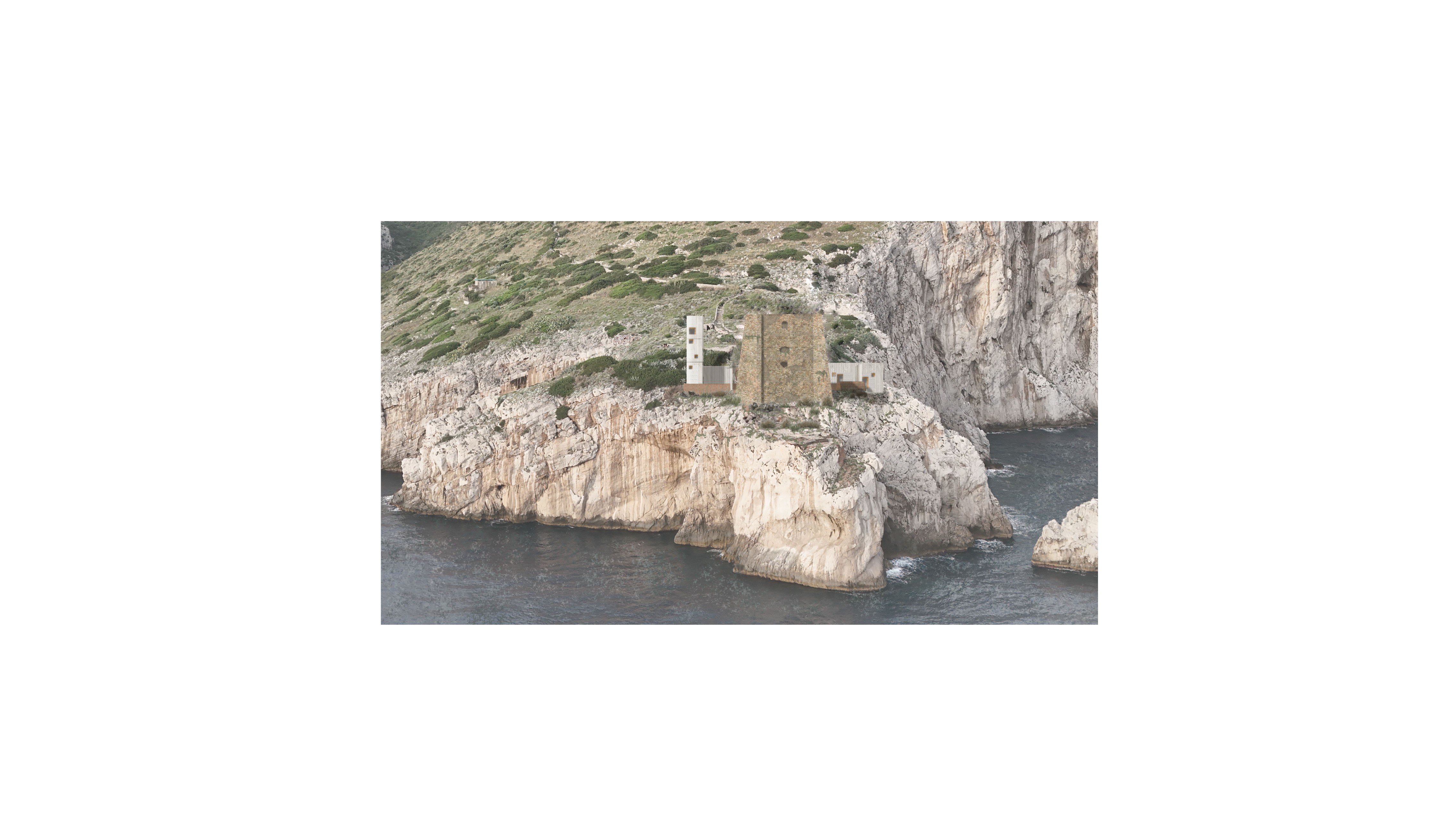
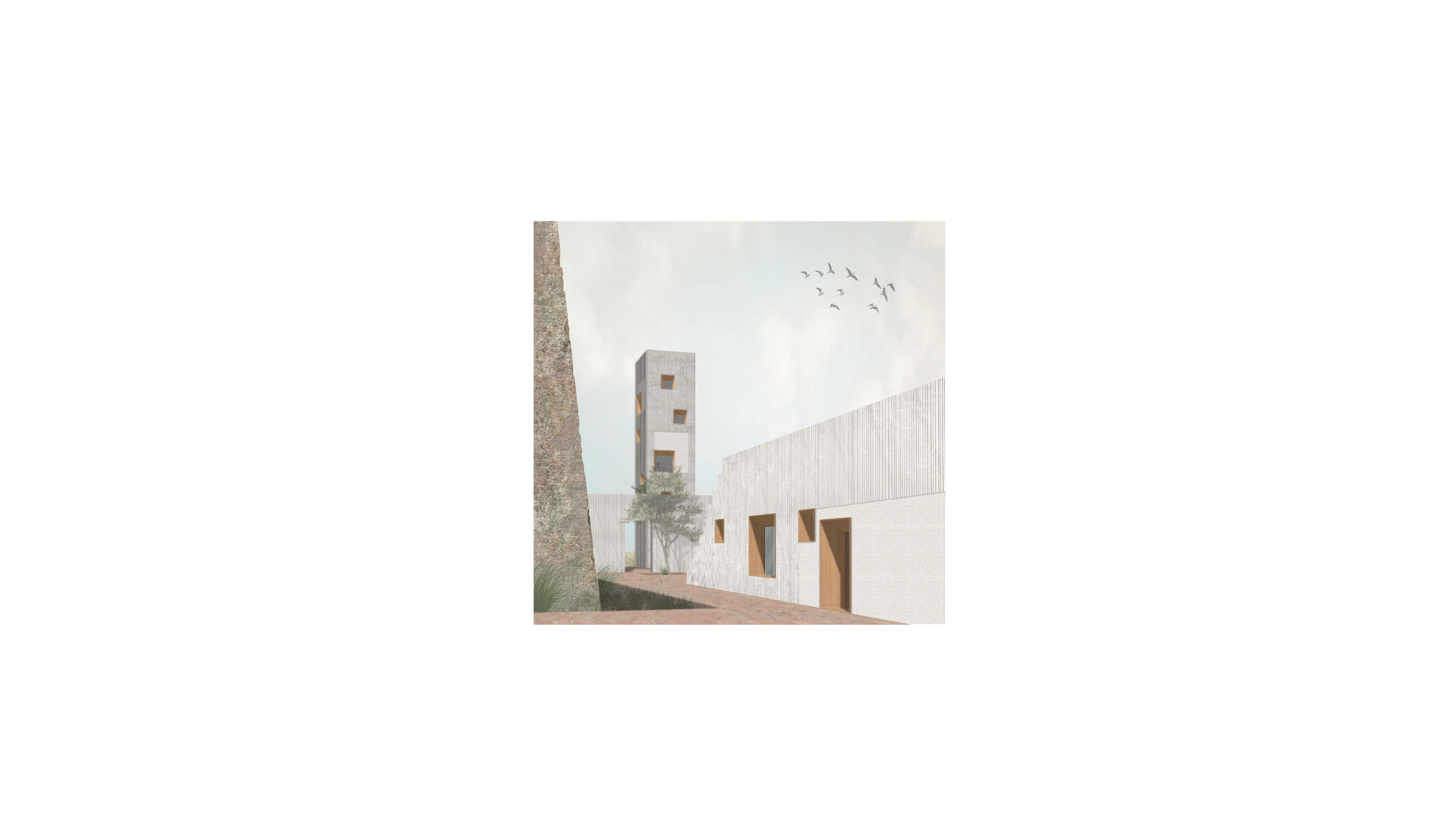
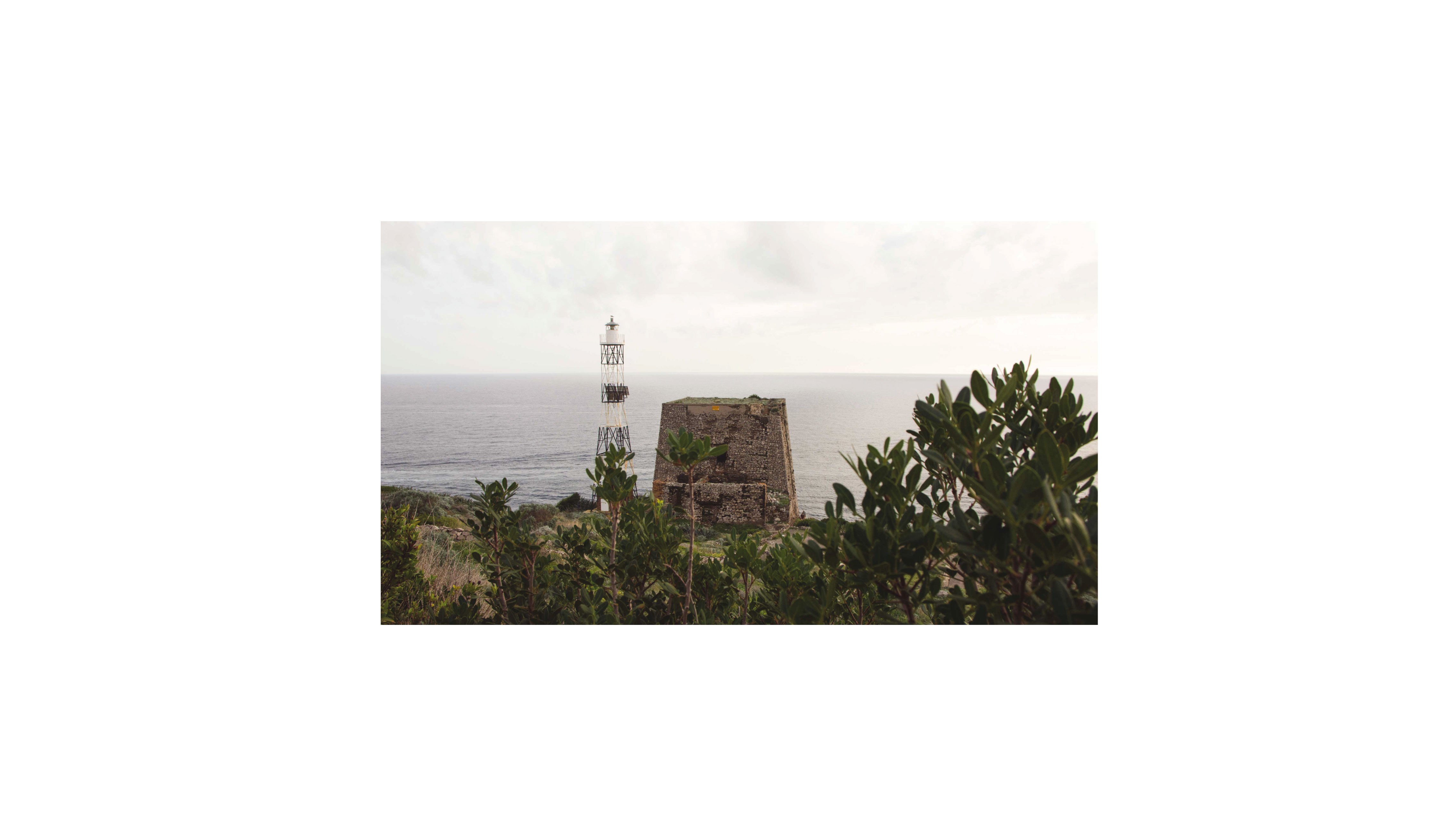
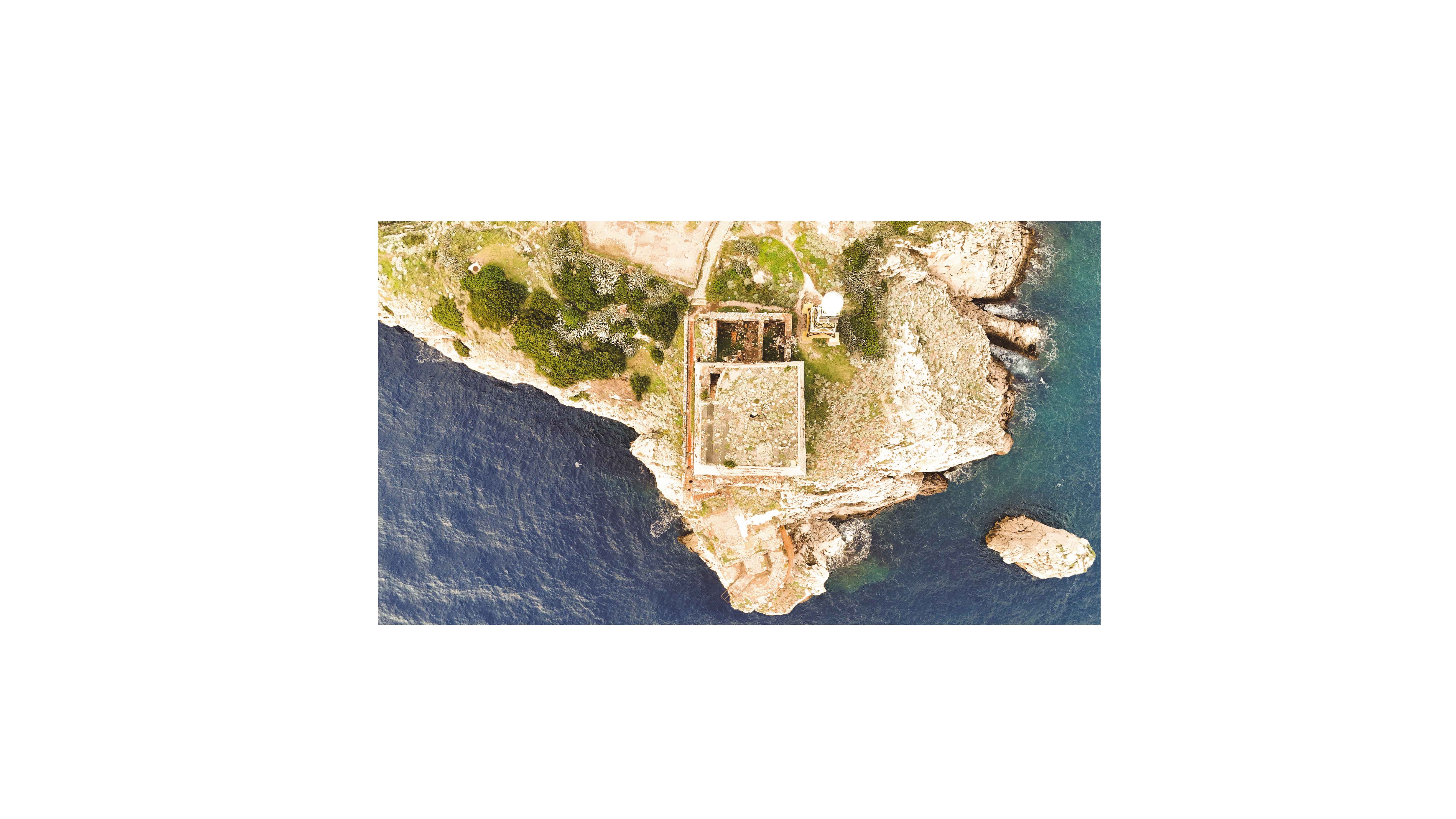
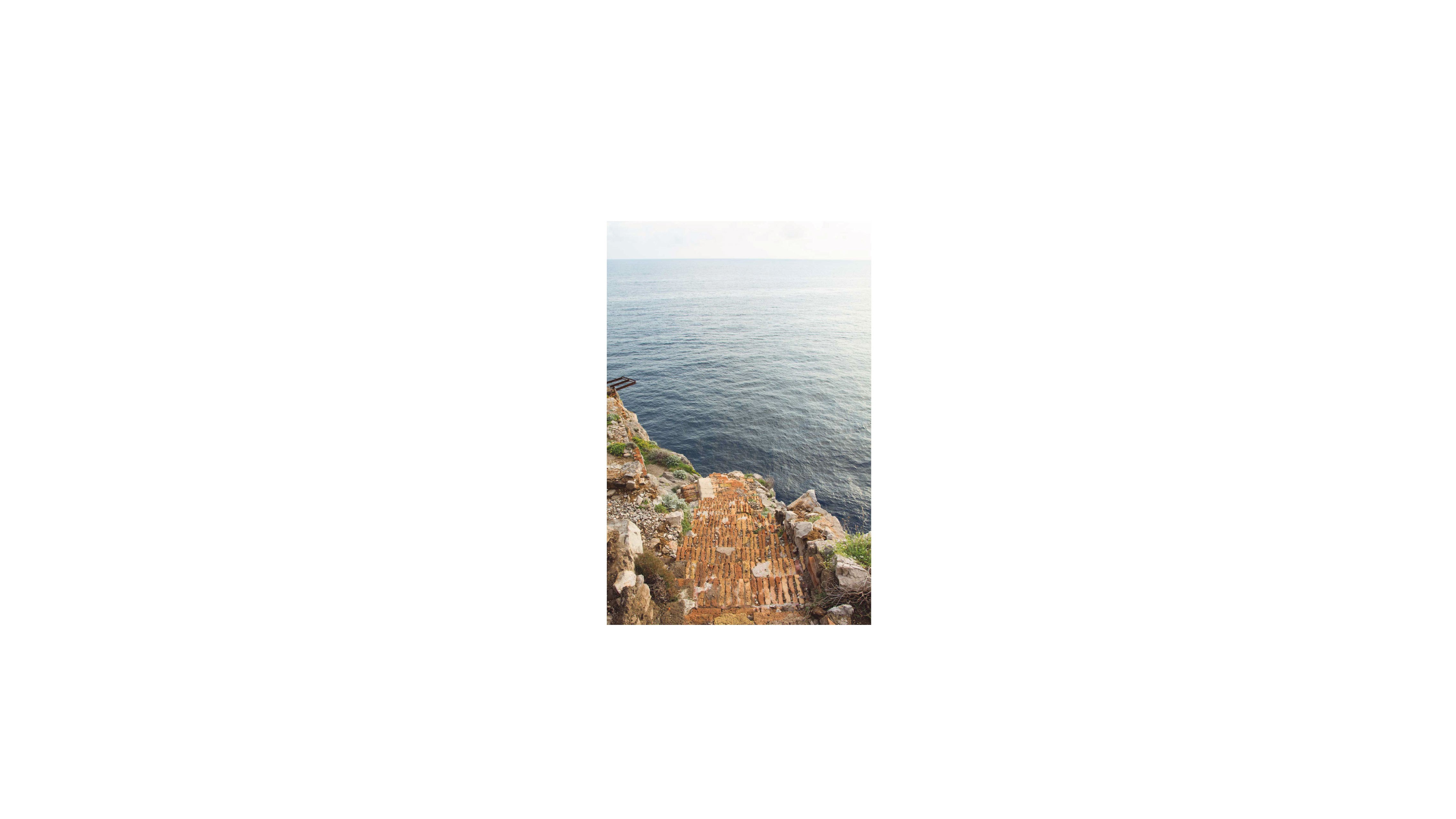
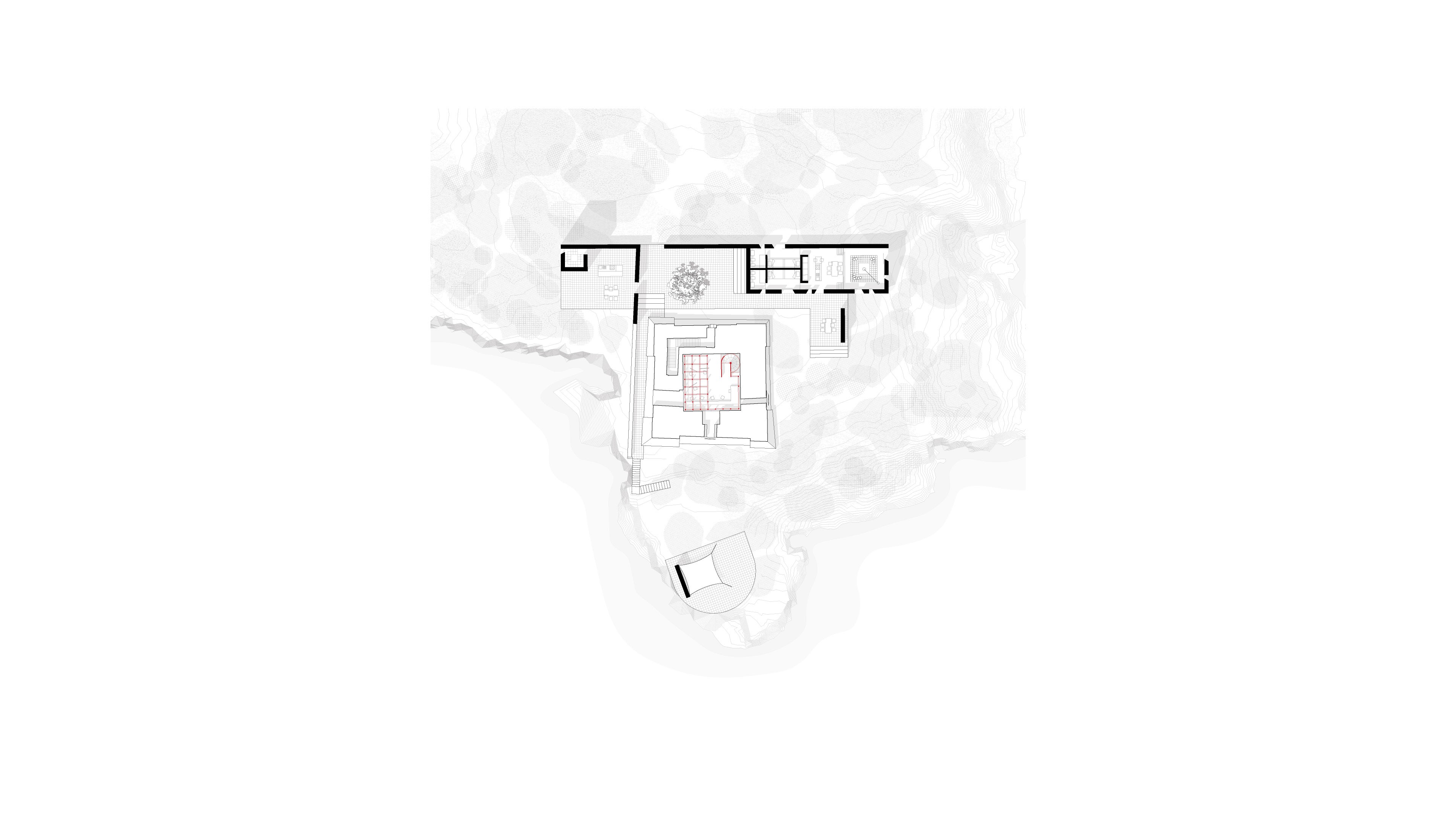
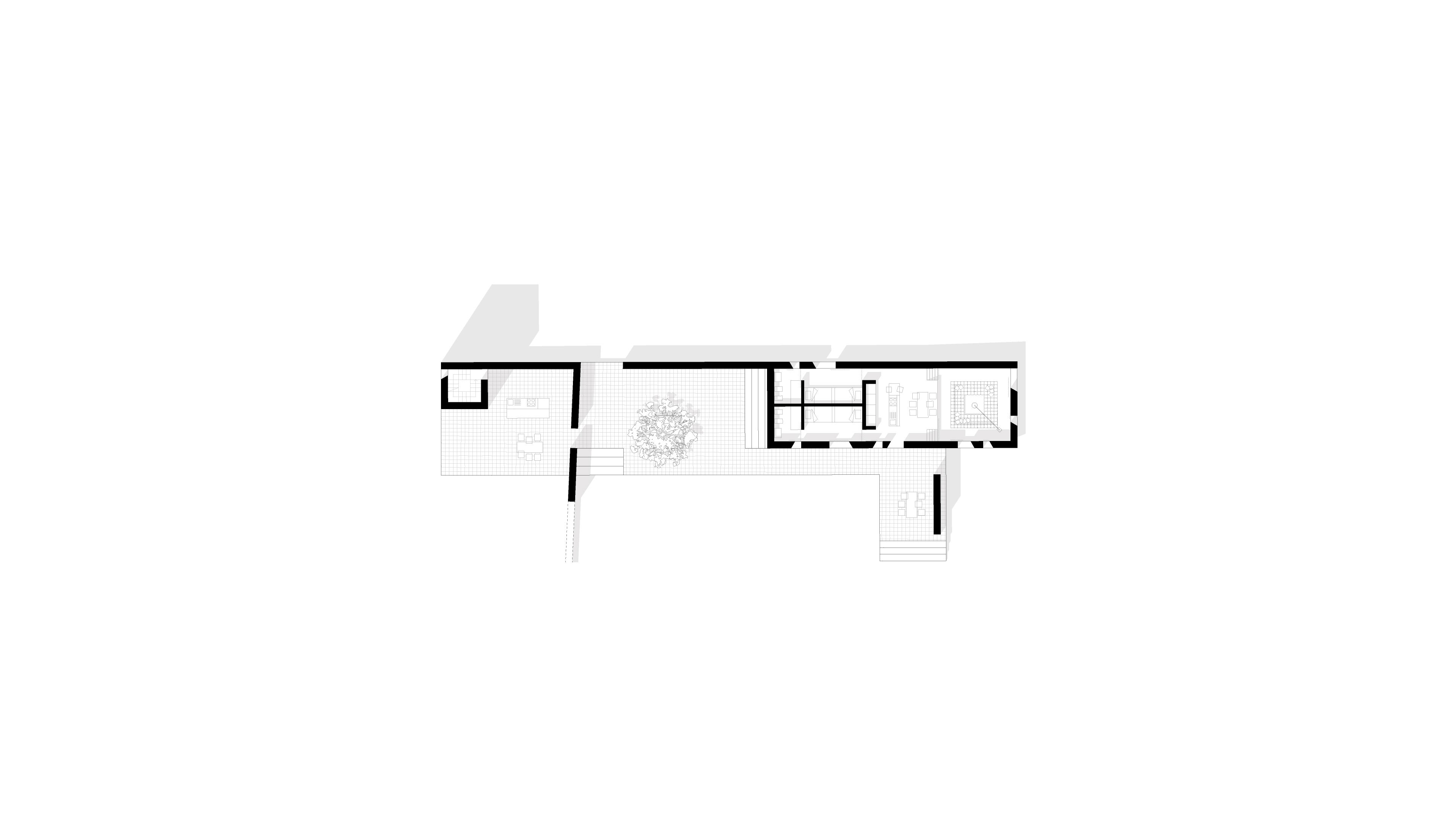
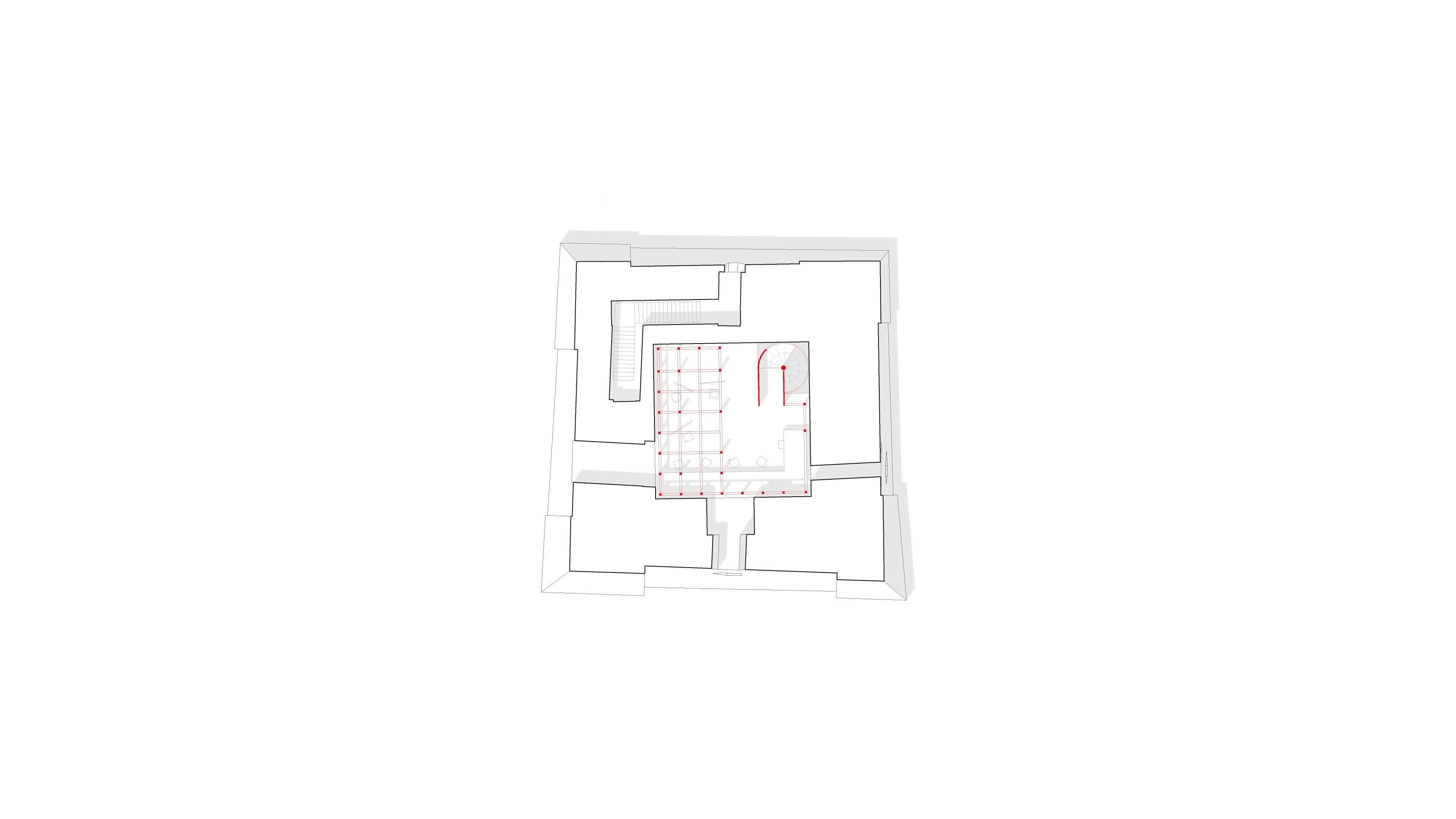
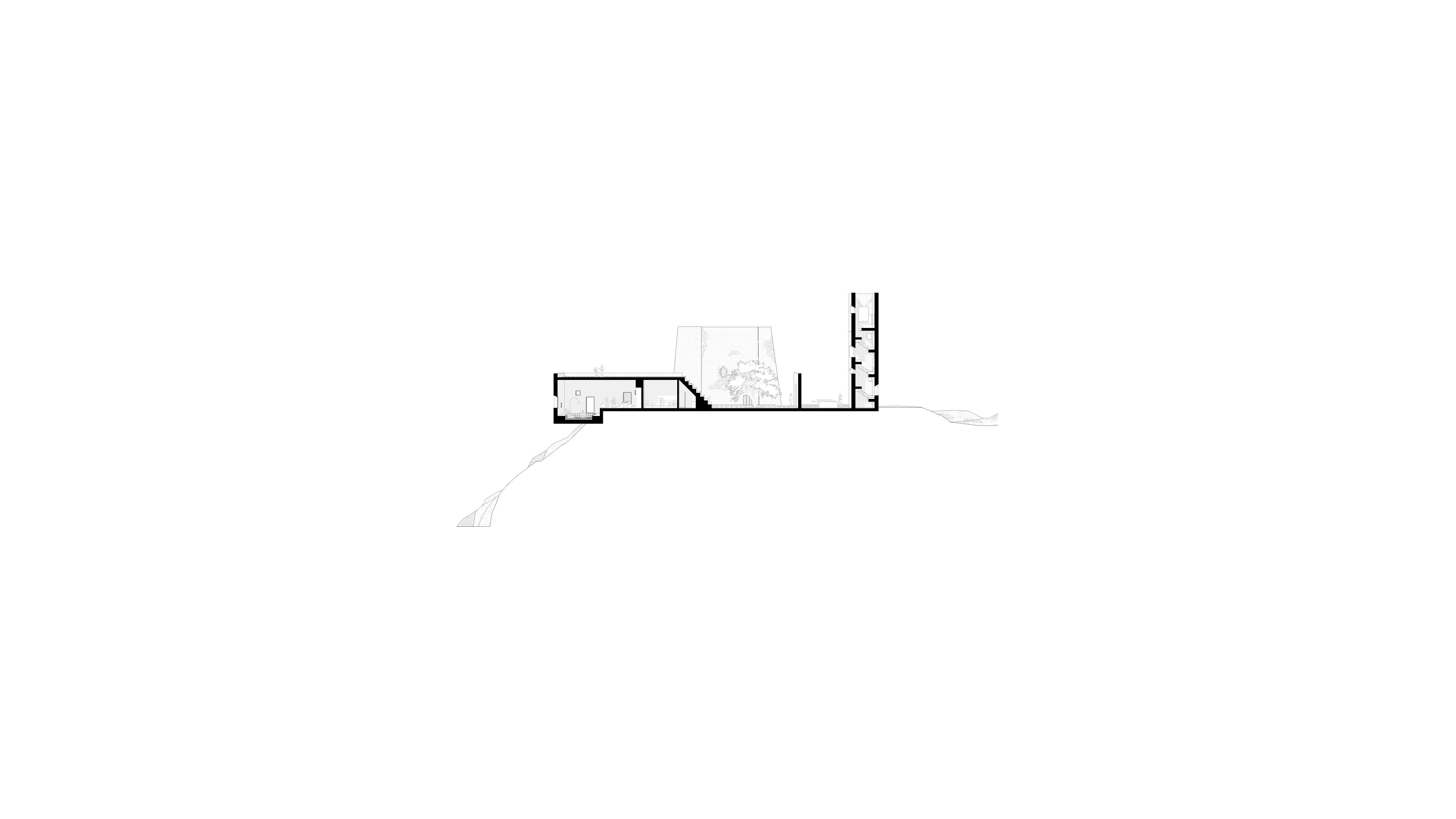
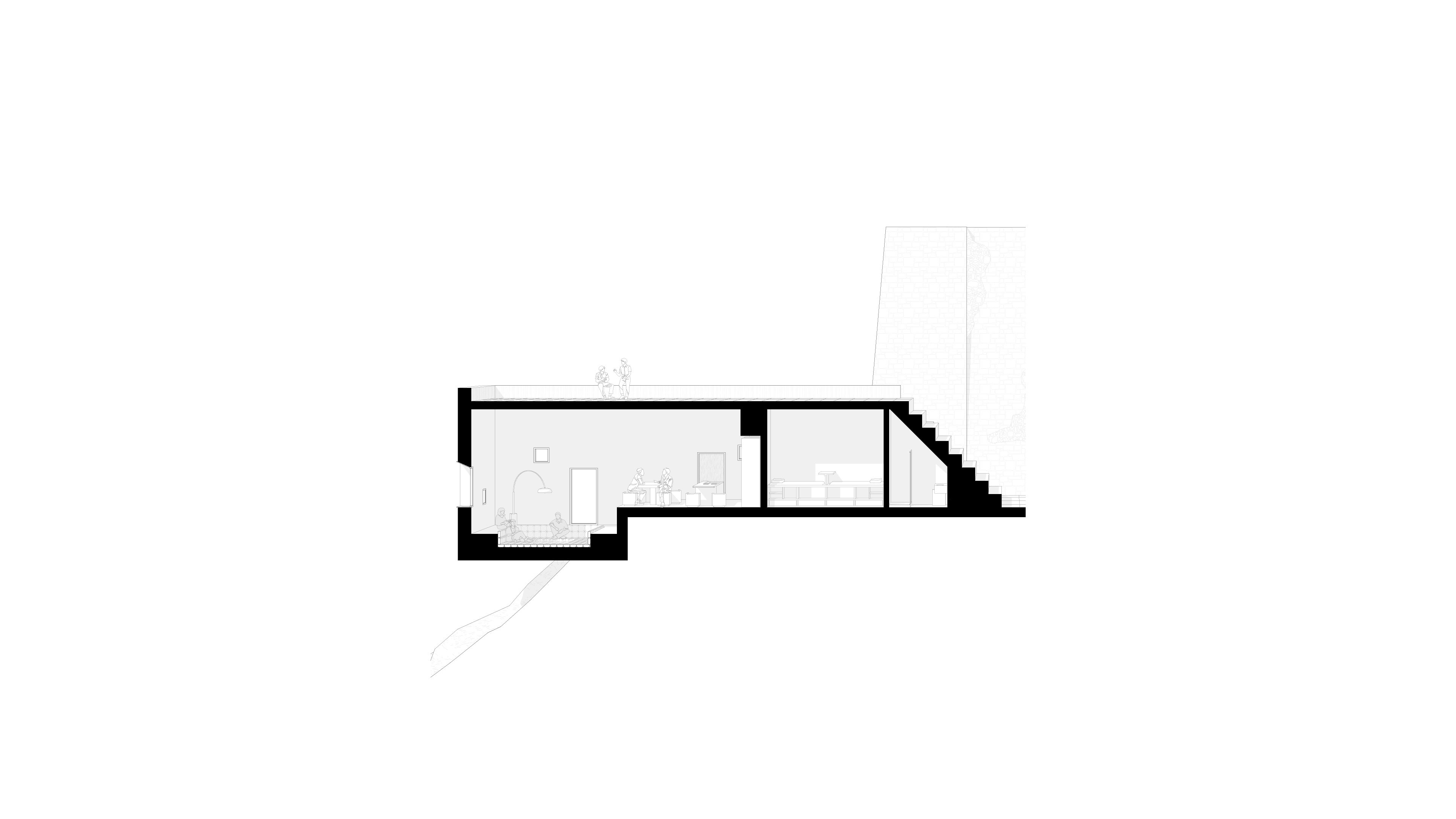
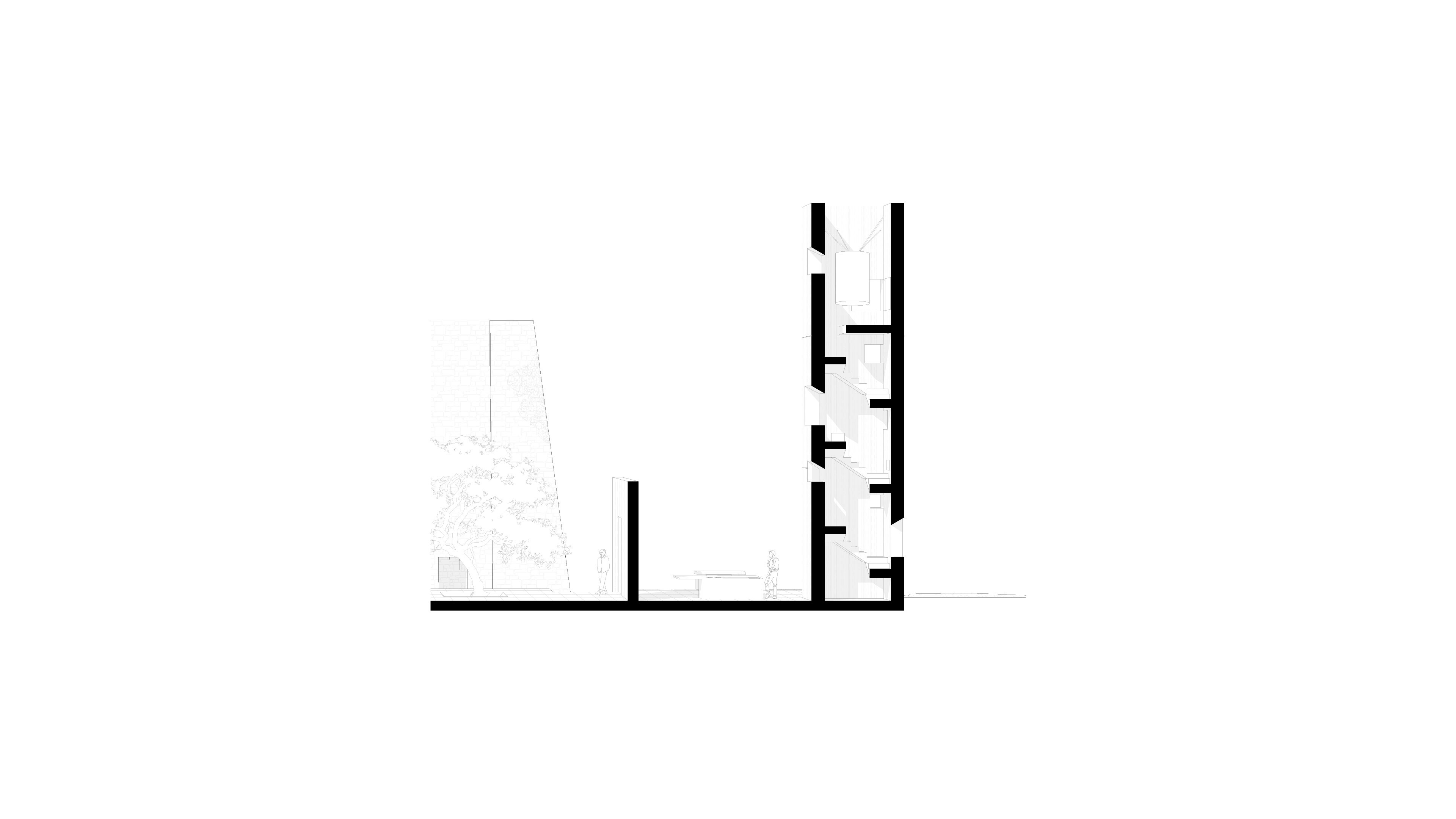
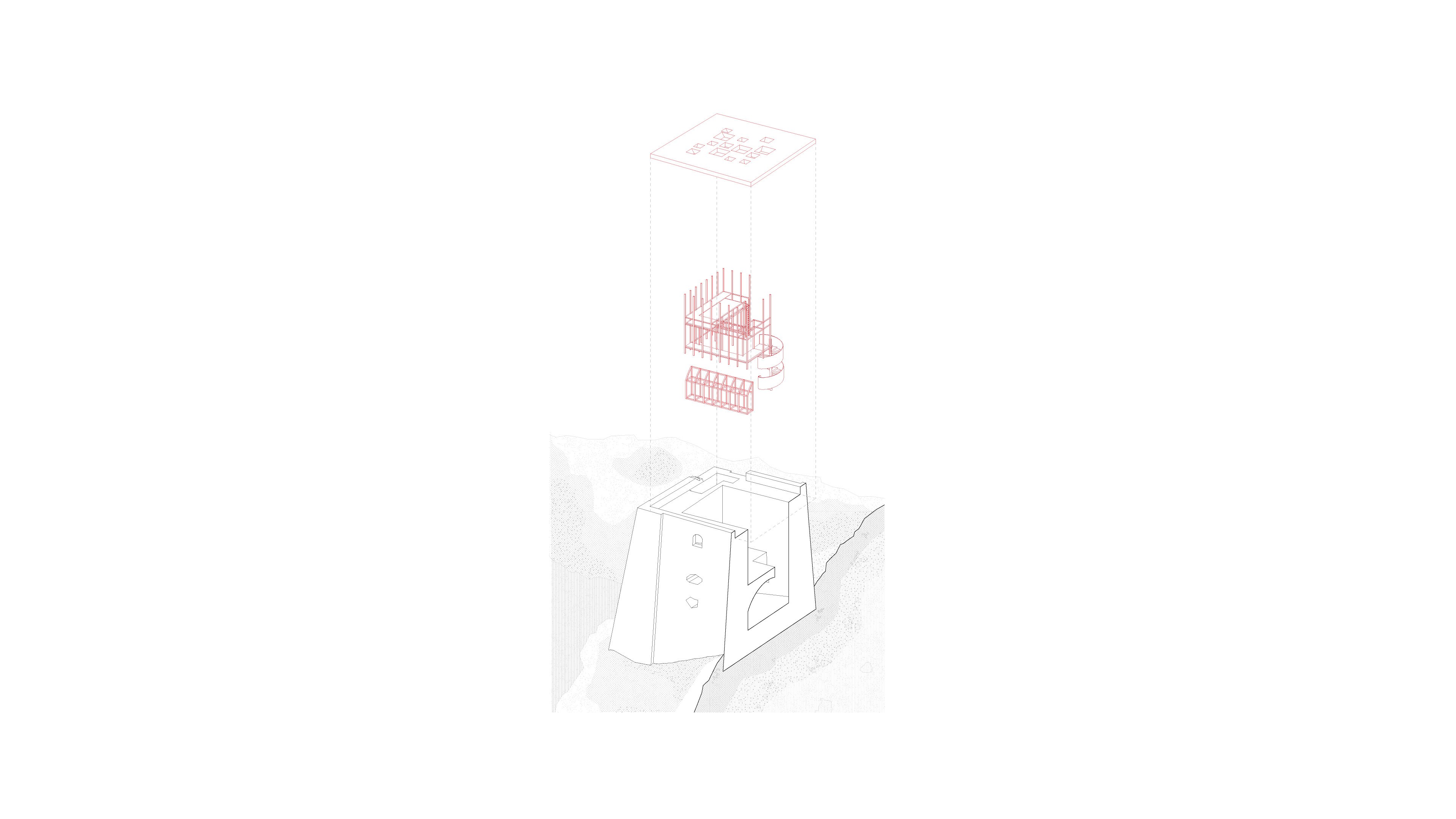
Suspended between rock and sea, the work lies upon a promontory overlooking the Sorrentine coast, within the wild and stratified landscape of Punta Campanella. At the heart of the project is the adaptive reuse of the Minerva Tower, a historic ruin dominating the terminal stretch of the peninsula, reimagined as the symbolic and functional core of a new settlement: a retreat for artists, conceived as a space for silence, research, and contemplation. The intervention unfolds through two complementary gestures. The first is a transversal system that accommodates the living spaces, bedrooms, living room, kitchen, and lighthouse-tower, arranged in a sequence of sober volumes, rendered with ribbed plaster textures and punctuated only by essential wooden elements. The inspiration drawn from Adalberto Libera’s Casa Malaparte is explicit in the staircase leading to the roof, conceived as a place of pause and direct dialogue with the surrounding landscape. Yet the building does not seek prominence: it embraces its marginality, blending discreetly into the fabric of the cliff. The second gesture concerns the restoration of the historic tower, converted into a space for artistic production. As a fundamental design choice, no invasive interventions or volumetric additions were made, in order to preserve the identity and evocative power of the ruin. The interiors have been reinterpreted through light, framed structures that rest gently against the existing envelope, avoiding any visual or structural rigidity or overload. A spiral staircase connects the levels, distributing hybrid functions: on the ground floor, a flexible space can host a small cinema, a reading room, or a storage area; on the upper floors, a structural grid supports tables, easels, and workstations. The entire space is capped by a roof that filters zenithal light through small, flared-section light wells, allowing time and sky to become part of the creative process. This Mediterranean house is not an object, but a fragment. It does not colonise the landscape: it listens to it, abstracts it. It is a place to live, to think, and to create at the margins, in balance between ruin and rebirth, between permanence and vision.